Diamond Basics
What Is a Brilliant-Cut Diamond? From Diamond to Brilliant
A brilliant is a diamond cut in the way that returns light best. We explain why it sparkles so much, how it is graded and the difference between natural and lab-grown diamonds.
3 min readUpdated: October 7, 2026
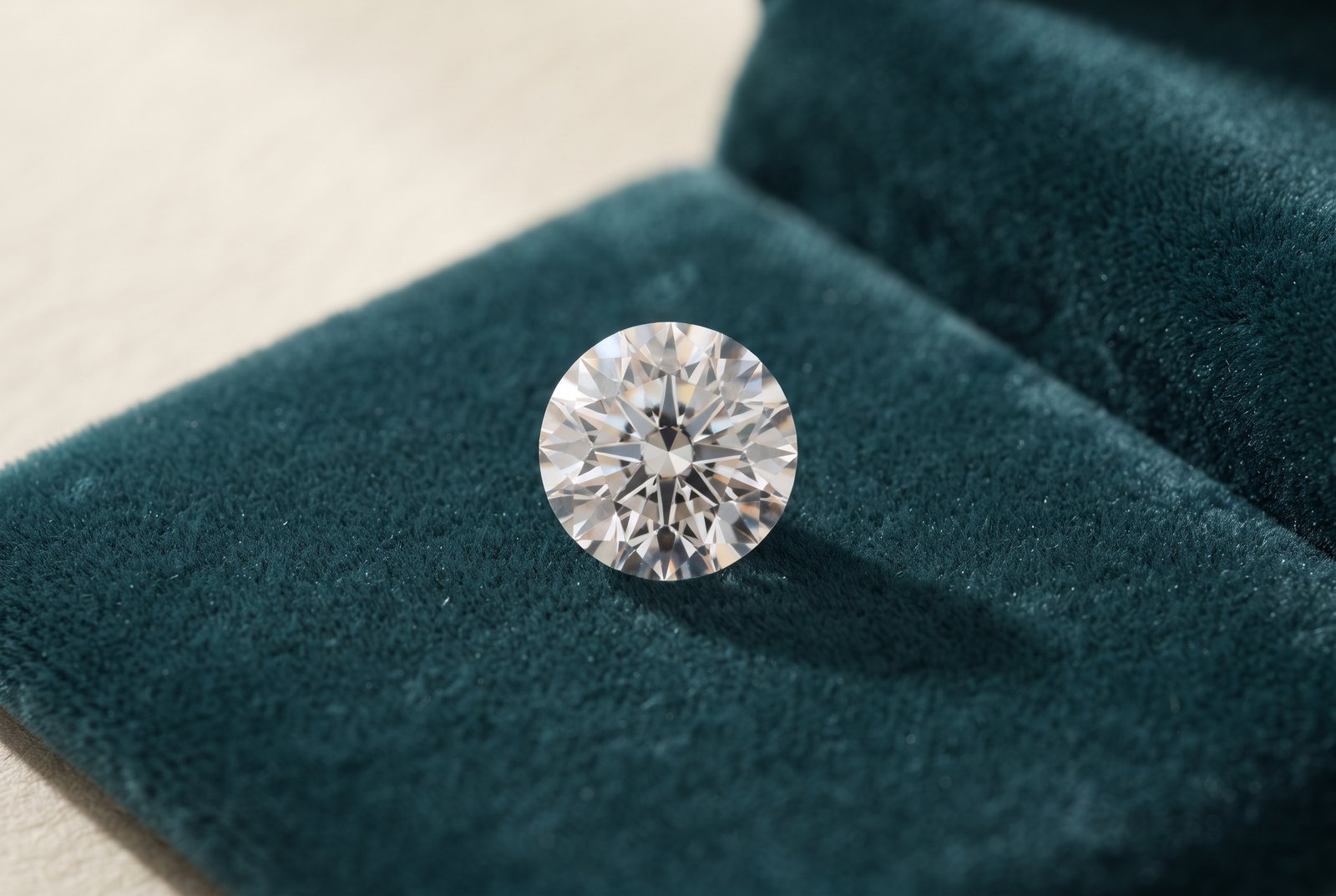
Short answer: A brilliant diamond is a diamond cut with the “brilliant” cut that returns the most light. Diamond is the name of the mineral; the brilliant is that mineral cut as a gem. It is made of pure carbon, it is the hardest known natural material, and because it bends light so strongly it sparkles differently from other stones. Its value is measured by carat, cut, colour and clarity, and it can form in nature or be grown in a laboratory.
Are a diamond and a brilliant the same thing?
Every brilliant is a diamond, but not every diamond is a brilliant. A rough diamond, whether it comes out of the ground or is grown in a laboratory, is a matte, irregular crystal. Craftspeople cut it so that it returns the most light; in Turkish, a diamond cut as a round brilliant is called “pırlanta”. In everyday speech, oval, pear and princess cut diamonds are often called brilliants too. More: diamond versus brilliant.
What makes a diamond a diamond
| Property | Diamond |
|---|---|
| Composition | Pure carbon (C) |
| Crystal structure | Cubic |
| Hardness (Mohs) | 10 — the hardest known natural material |
| Refractive index | 2.42 |
| Splitting light into colours (fire) | 0.044 |
The high refractive index makes light that enters the stone reflect inside and come back out through the top. That is why a well-cut diamond gives white light, coloured flashes and sparkles that flicker as it moves. Diamond brilliance.
The brilliant cut: 57 facets
The classic round brilliant cut has 57 surfaces, or facets (58 counting the tiny flat at the bottom). The angles of these facets are calculated so that light comes back without escaping from the stone. The proportions of the modern brilliant cut were calculated in the early 20th century and have been used with small refinements ever since. Cut quality is the most important factor in how much a diamond sparkles. What is cut quality?
How is a diamond graded? The 4Cs
- Carat: The stone’s weight; 1 carat is 0.2 grams. What is a carat?
- Cut: Proportions, symmetry and polish.
- Colour: A scale from D (colourless) towards Z. What does G colour mean?
- Clarity: How visible the inner and outer marks are. The clarity scale.
We explain how to balance all four in the 4Cs of diamonds.
Natural and lab-grown diamonds
A natural diamond forms deep in the earth under very high pressure and temperature. A lab-grown diamond is the same crystal grown in a controlled environment: its chemistry, hardness and light are the same. The two cannot be told apart with the naked eye; the difference is origin, and it is written on the certificate. How do diamonds form? · What is a lab-grown diamond?
Stones that look like diamonds: cubic zirconia and moissanite resemble diamond but are not diamond; their hardness, light and value are different. Cubic zirconia versus diamond · What is moissanite?
Which jewellery uses diamonds?
The best-known use is the solitaire ring, but diamonds are also used in wedding bands, eternity rings, five-stone rings, earrings, necklaces and bracelets. You can see real photos of pieces made in our workshop in the model gallery, and you can design your own solitaire.
Frequently asked questions
A diamond bends light very strongly (refractive index 2.42). With a good cut, light entering the stone reflects inside and comes back out through the top, creating white brilliance, coloured fire and sparkle. It is 10 on the Mohs hardness scale, the hardest known natural material. So it does not scratch; but a hard knock can chip its edges. Near-colourless white diamonds are used most in jewellery. There are also coloured diamonds such as yellow, pink and blue, but they are much rarer. Yes. A lab-grown diamond has the same chemistry, crystal structure and light as a natural diamond; the only difference is its origin.Why do diamonds sparkle so much?
How hard is a diamond?
What colours do diamonds come in?
Is a lab-grown diamond a diamond too?
Blog
Keep reading
Diamond Basics
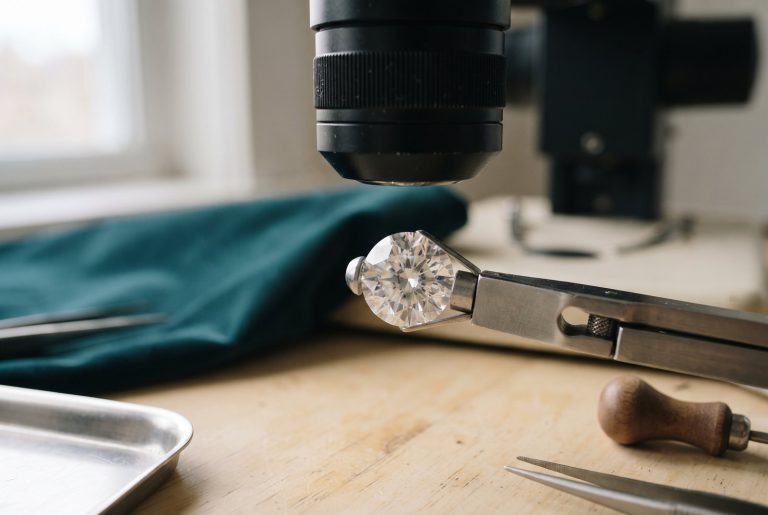
Diamond Clarity Scale: From FL to I3
Clarity is how visible the tiny marks inside a diamond are. We explain the FL, IF, VVS, VS, SI and I grades with a…
3 min read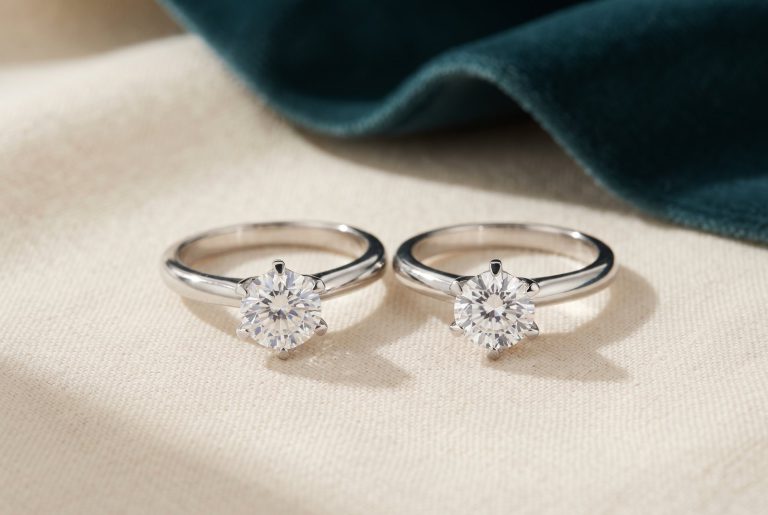
Diamond Basics
Cubic Zirconia vs Diamond: What Is the Difference?
Cubic zirconia looks like a diamond at first glance, but it is a very different stone. We explain the differences in hardness, light, weight…
3 min read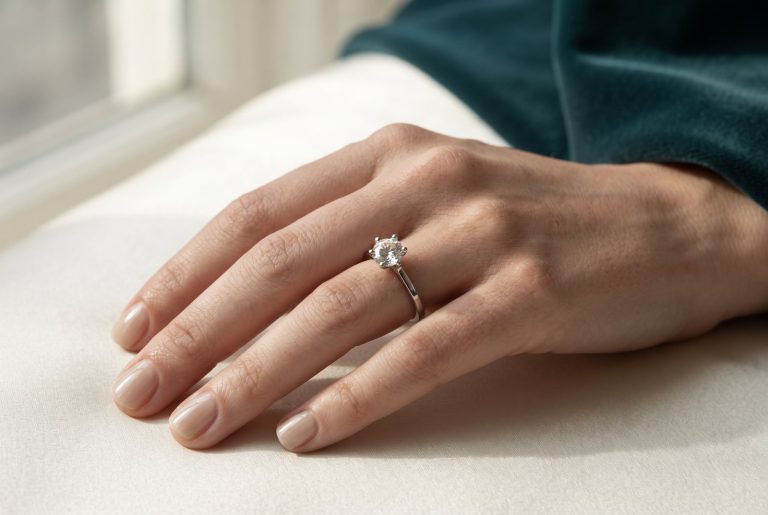
Diamond Basics
Diamond Sparkle: What Are Brilliance, Fire and Scintillation?
A diamond's sparkle comes from three separate light effects: brilliance, fire and scintillation. We explain what decides them and what people really mean by…
3 min read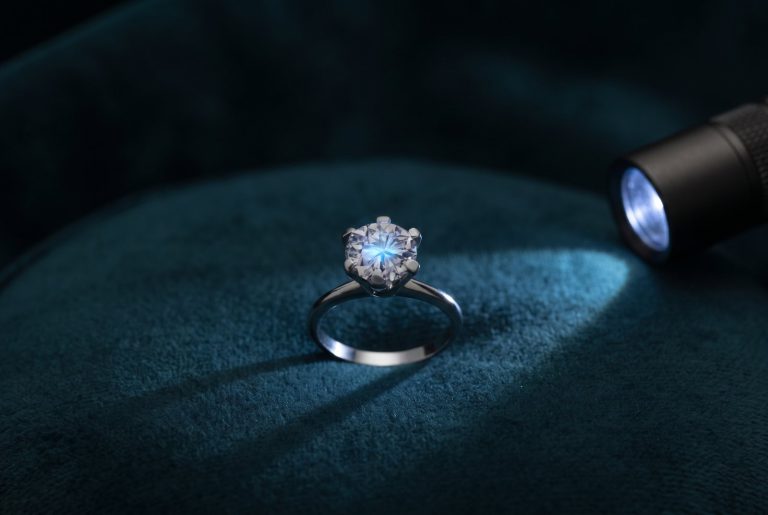
Diamond Basics
What Is Diamond Fluorescence? Good or Bad?
Fluorescence is the blue glow some diamonds give off under ultraviolet light. We explain how it appears on the report, whether it affects how…
3 min read