Lab-grown diamonds
Design your own lab-grown diamond ring
Choose the stone's shape, carat and gold colour and see your ring on a hand at true scale. Ask for the price on WhatsApp.
Lab-grown diamonds
Choose the stone's shape, carat and gold colour and see your ring on a hand at true scale. Ask for the price on WhatsApp.
Collections
Every piece is made to order with the stone and gold colour you choose.
 True scale · size 52 finger
Photo for this combination coming soon
True scale · size 52 finger
Photo for this combination coming soon
Live design studio
Choose the shape, carat and gold colour. See instantly how your ring looks on a hand, at true scale.
Featured designs
Choose the design you like; we will send its price and suitable stones on WhatsApp.
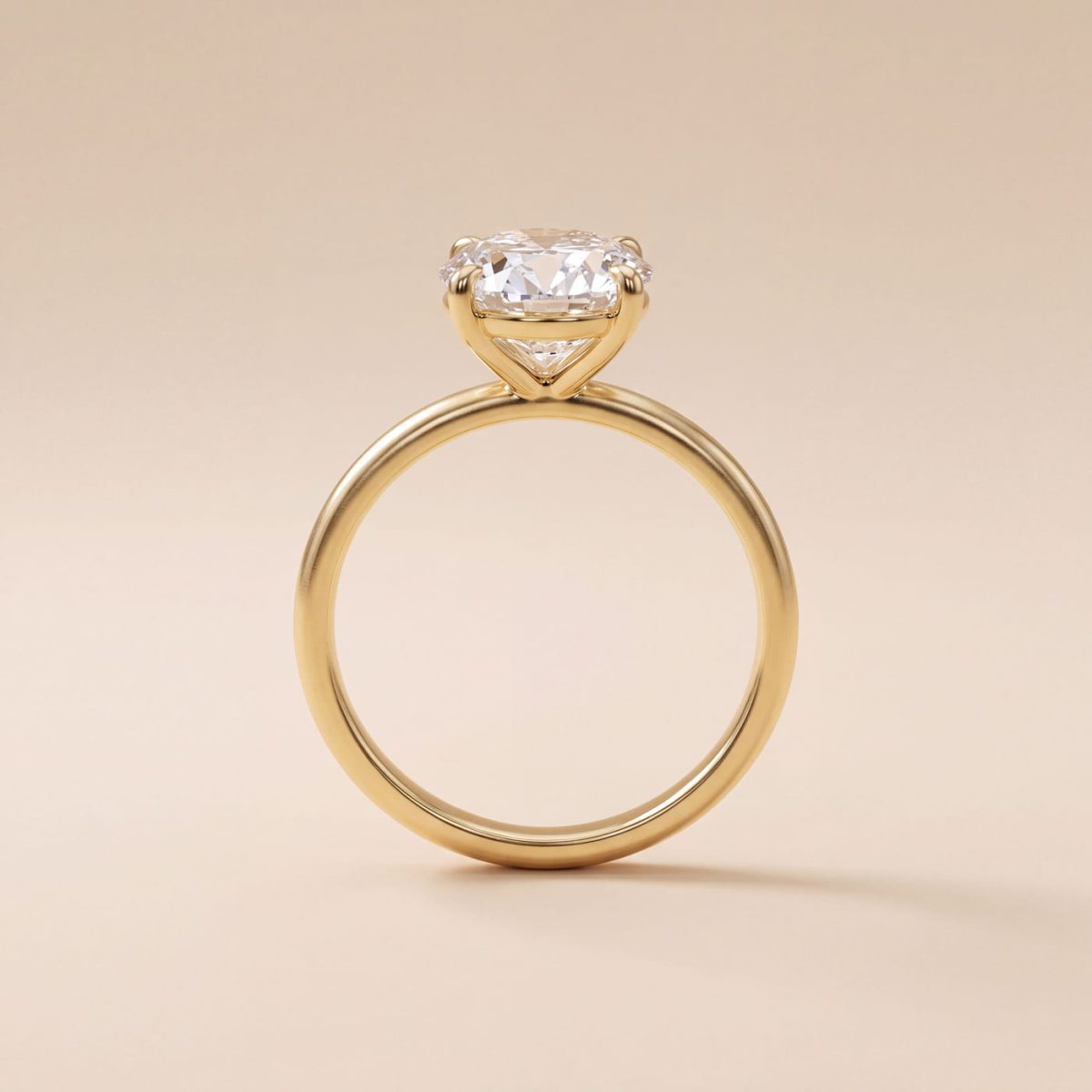
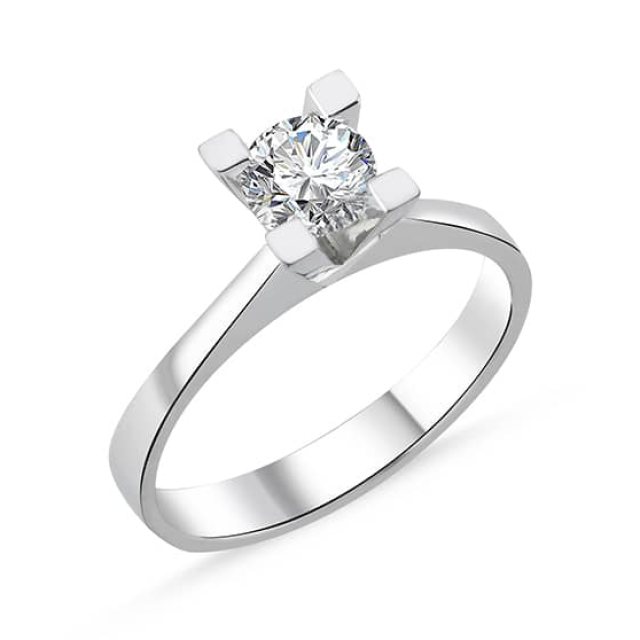
Solitaire Rings
Prices on WhatsApp
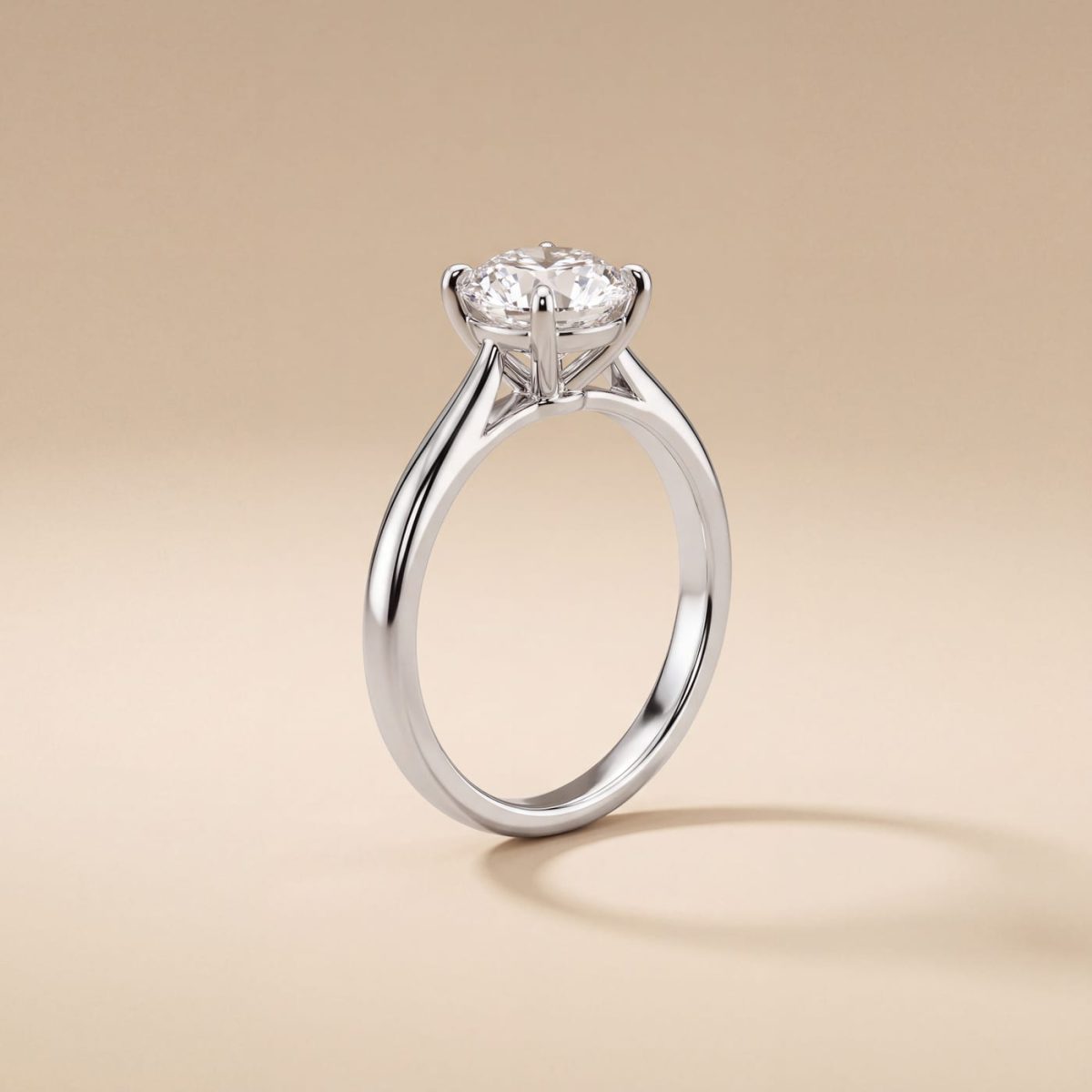
Solitaire Rings
Prices on WhatsApp
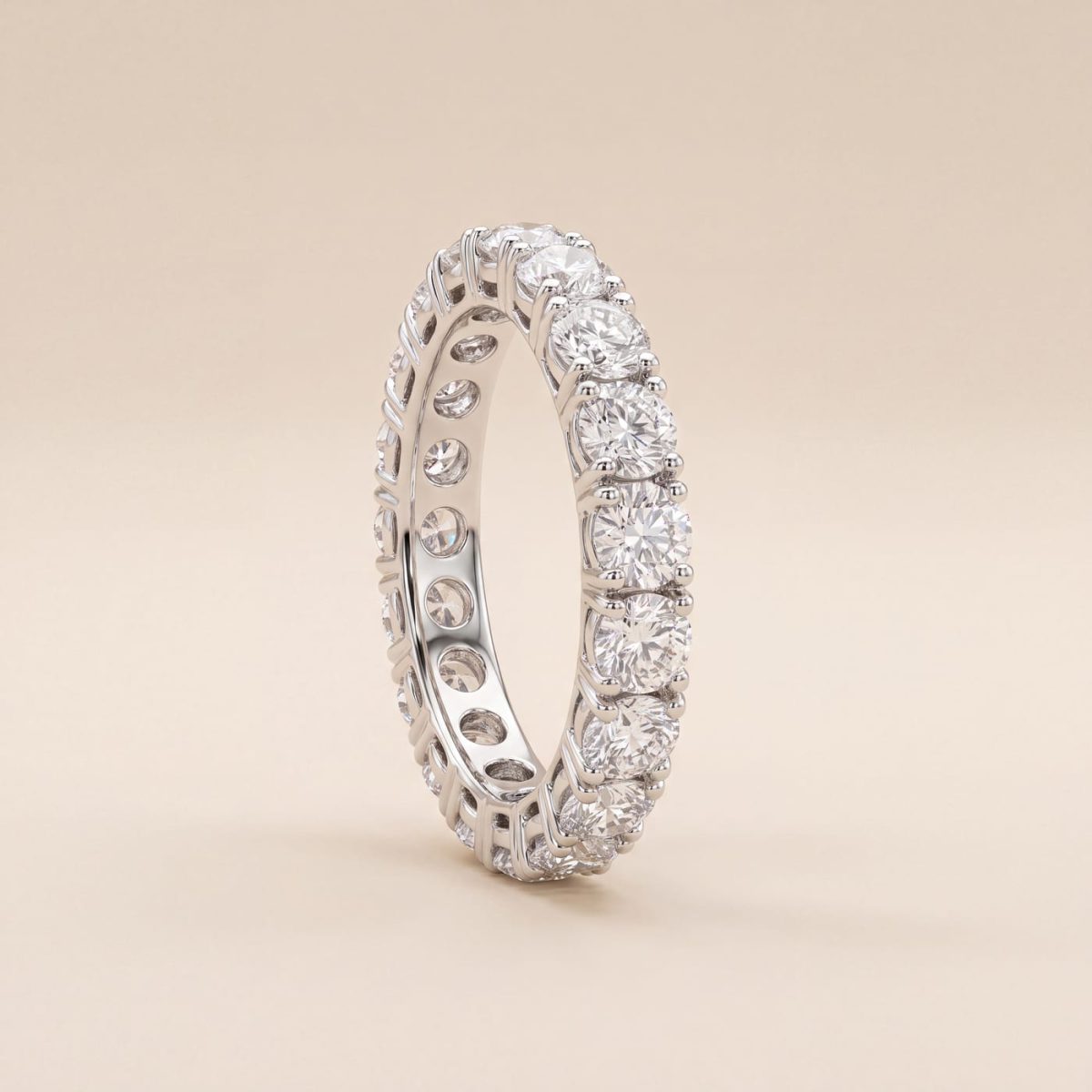
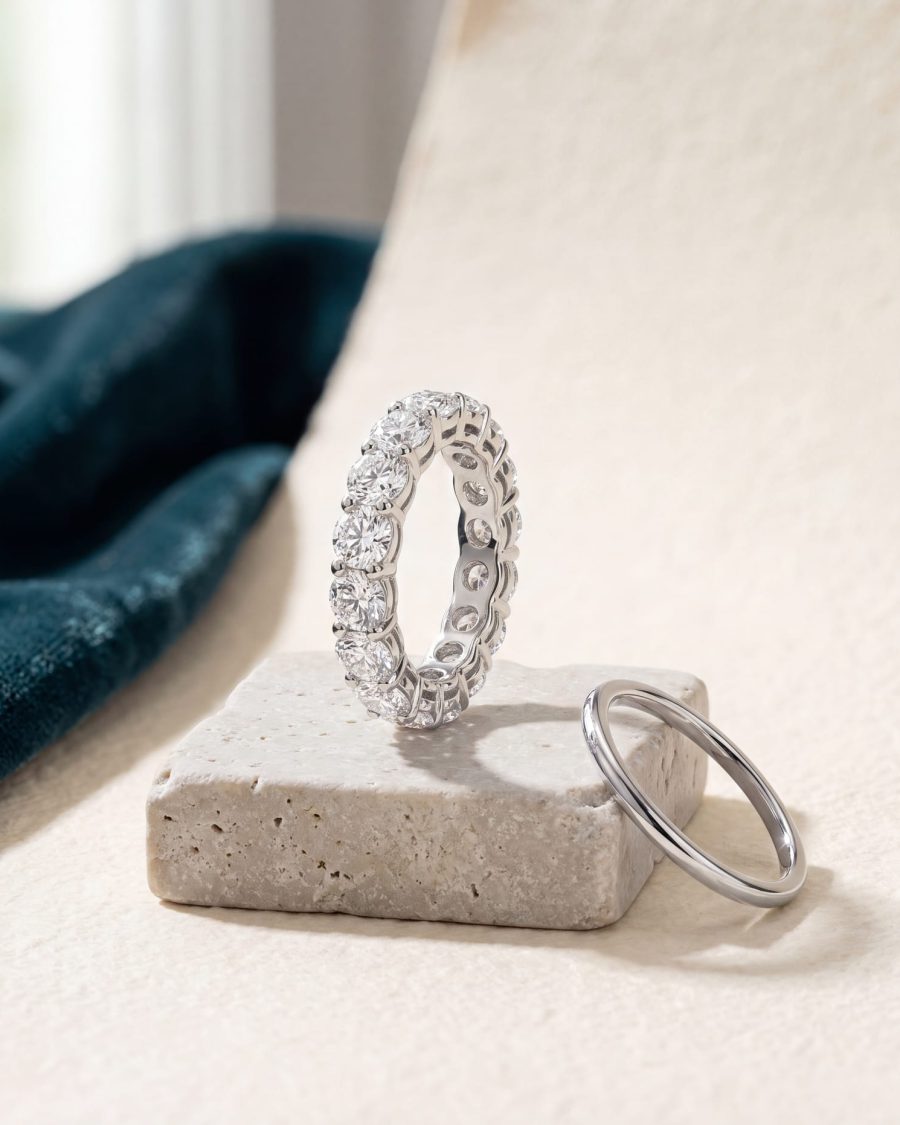
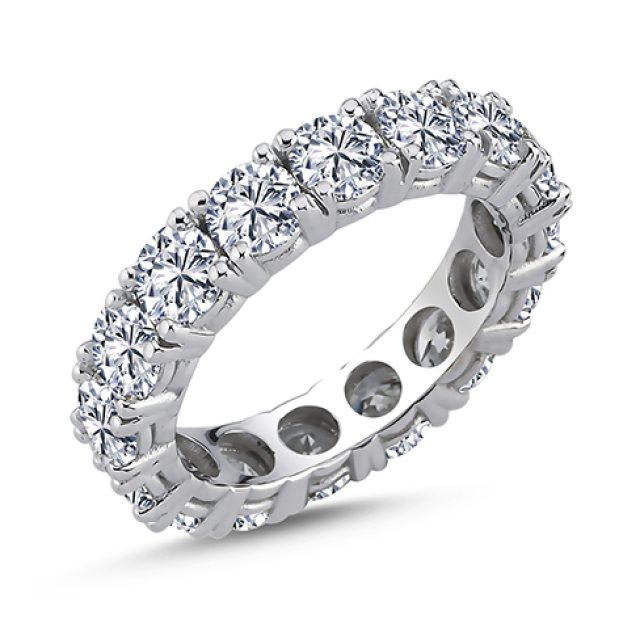
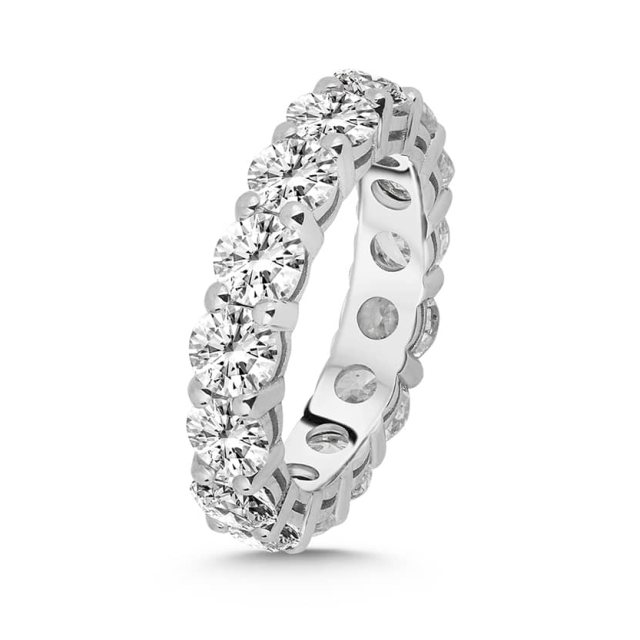
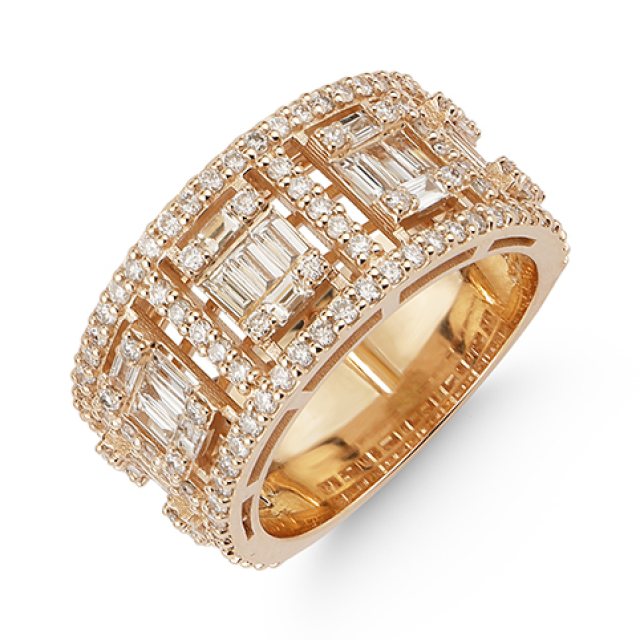
Wedding Bands and Eternity Rings
Prices on WhatsApp
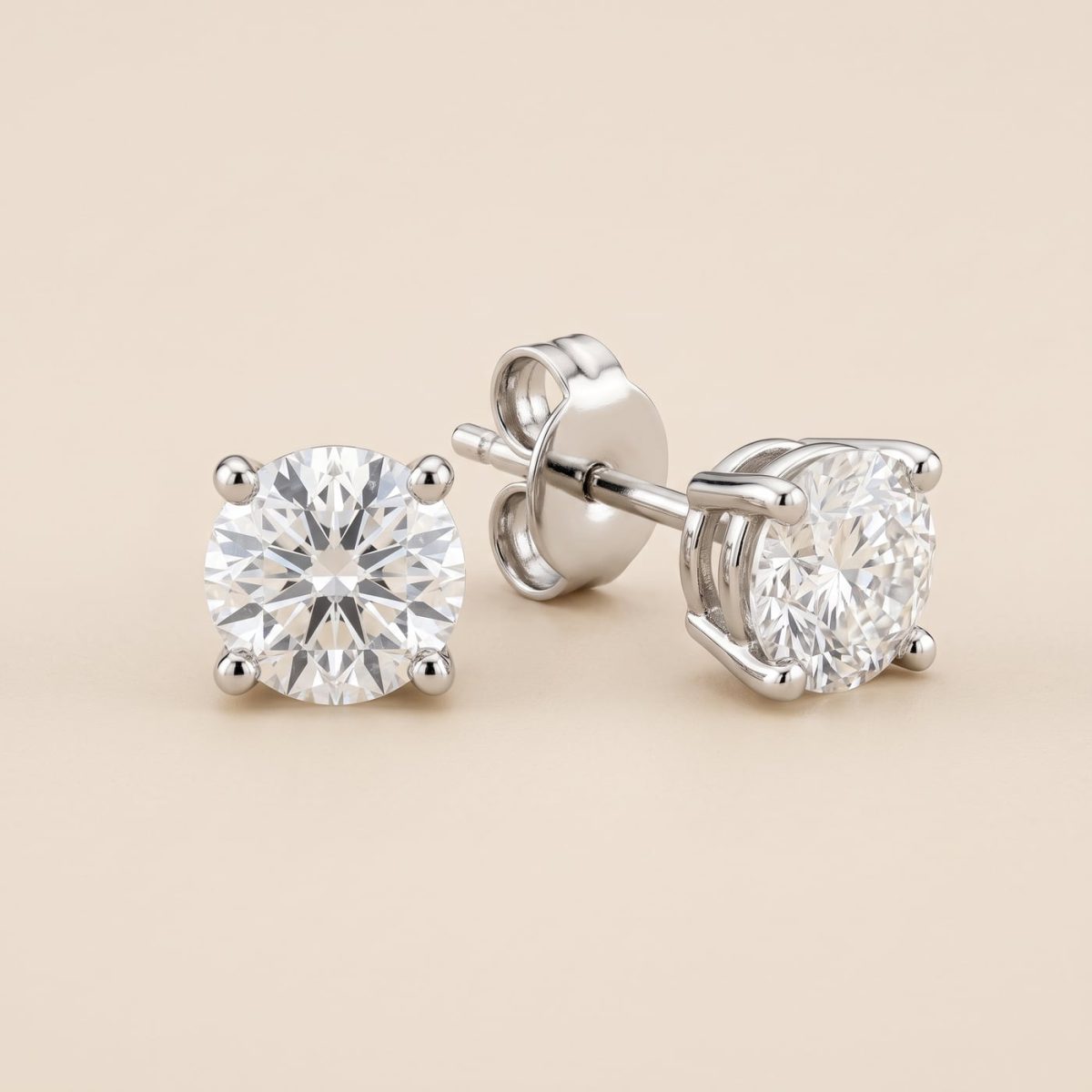
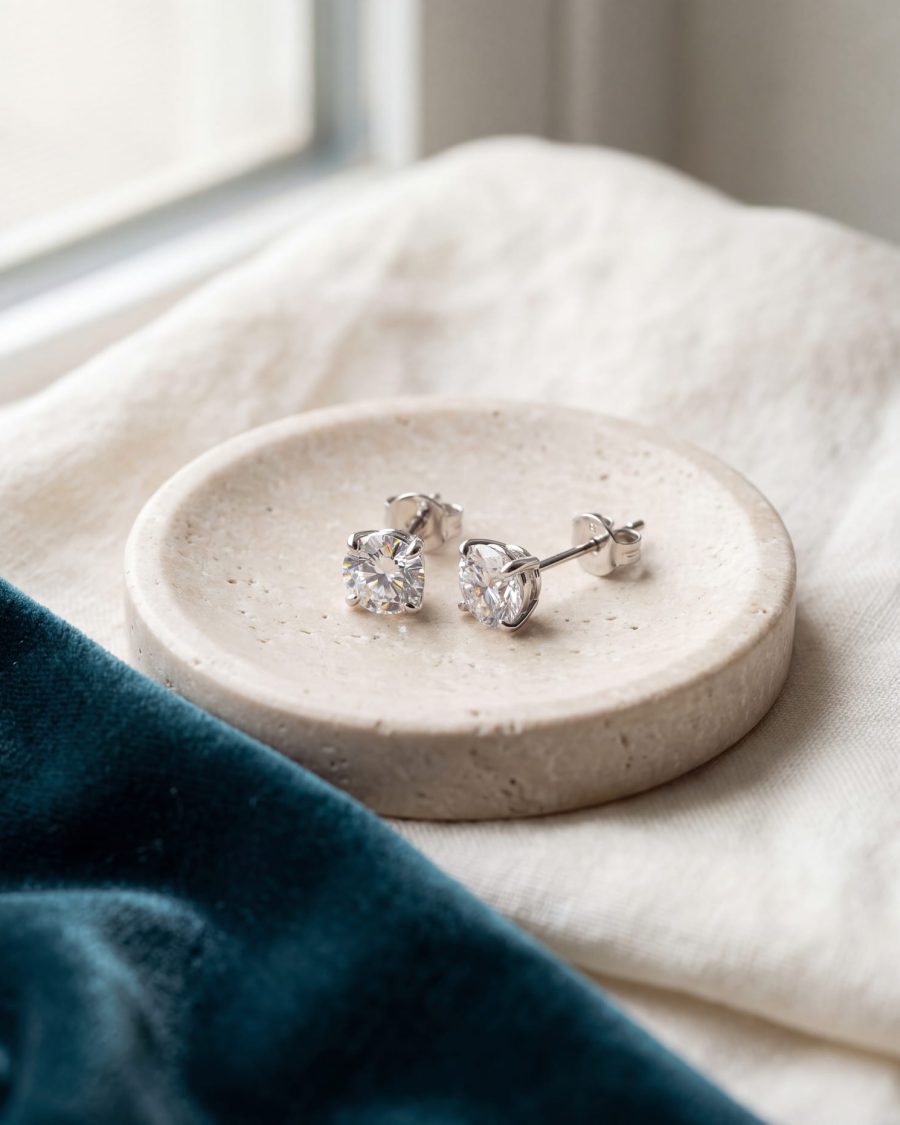
Earrings
Prices on WhatsApp
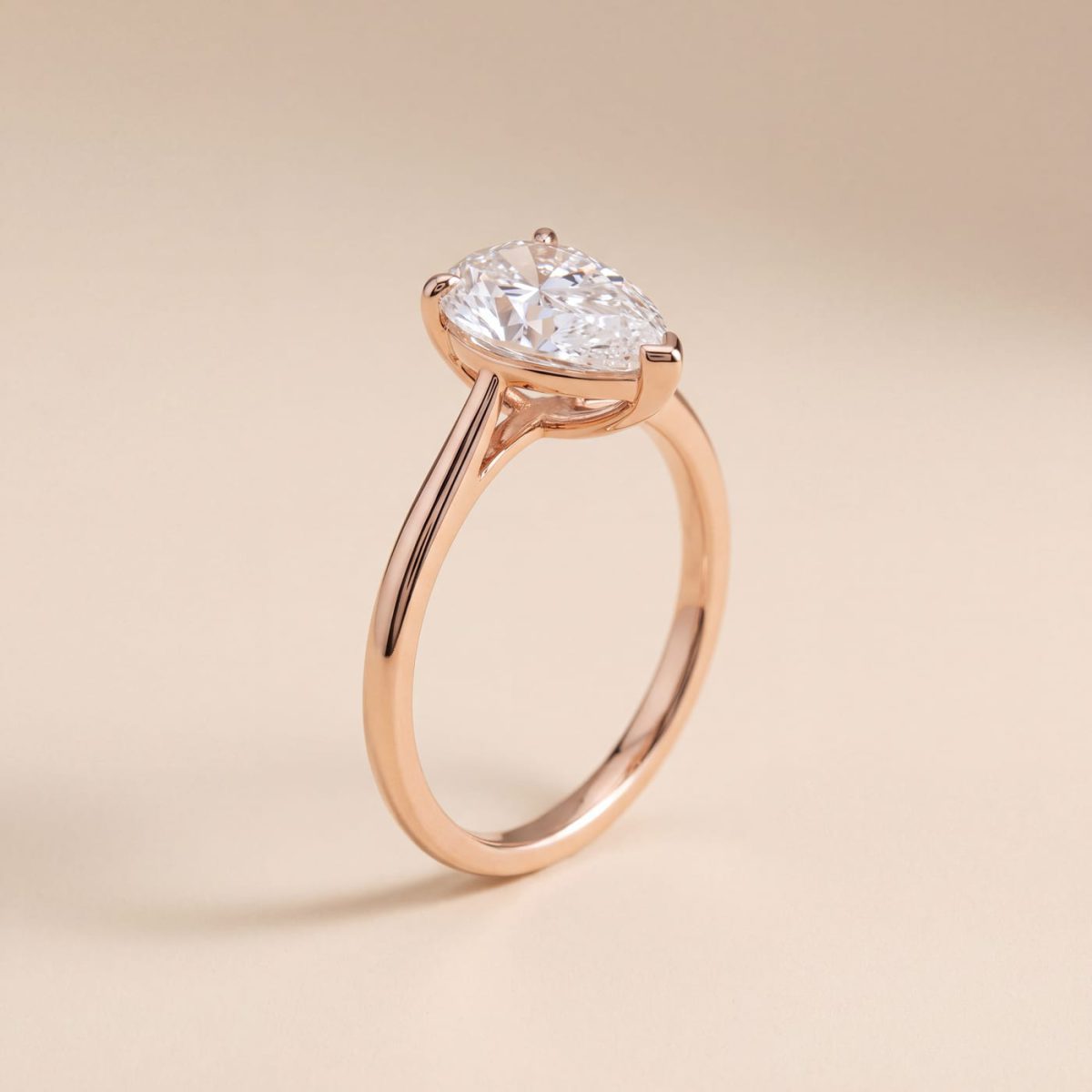
Solitaire Rings
Prices on WhatsApp
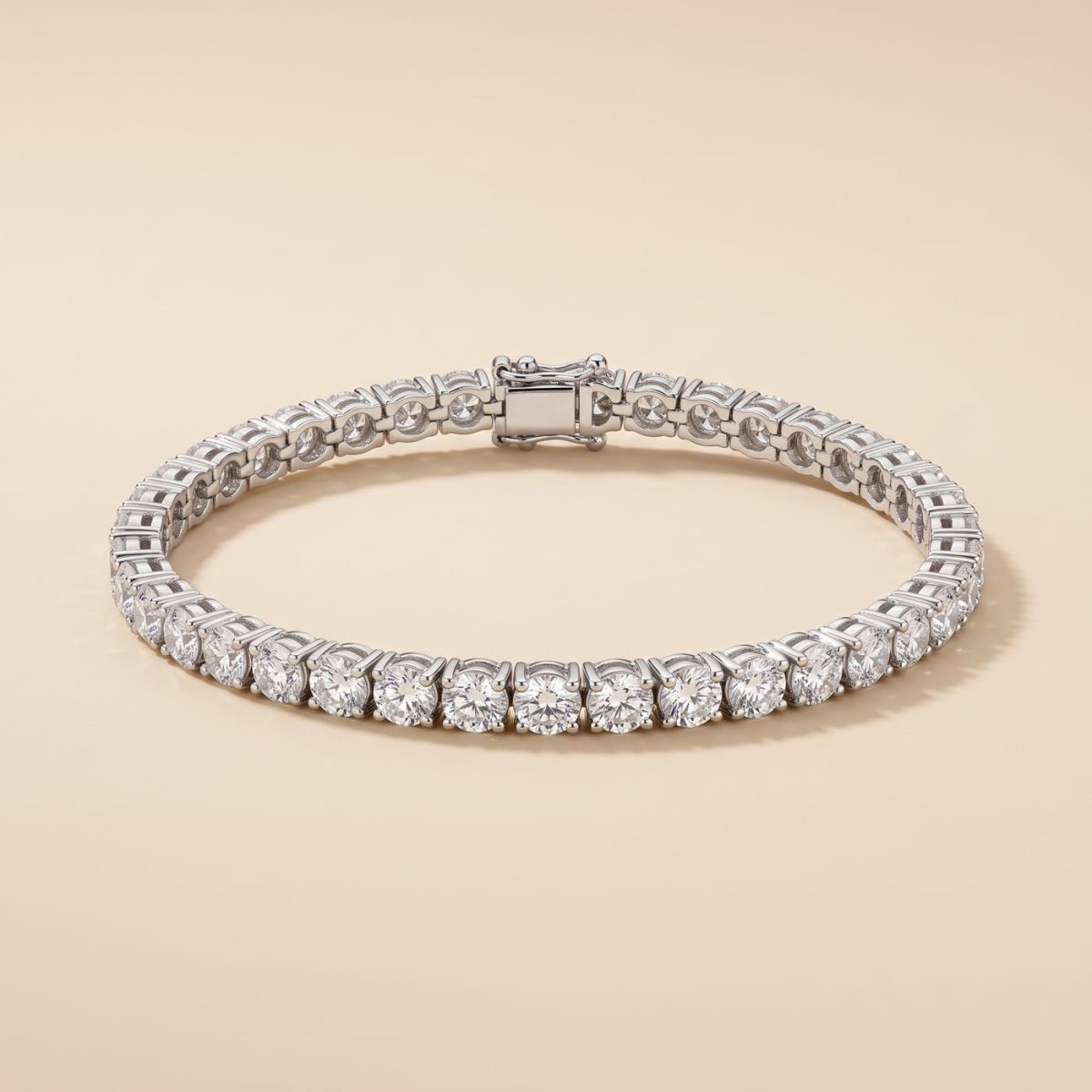
Bracelets
Prices on WhatsApp
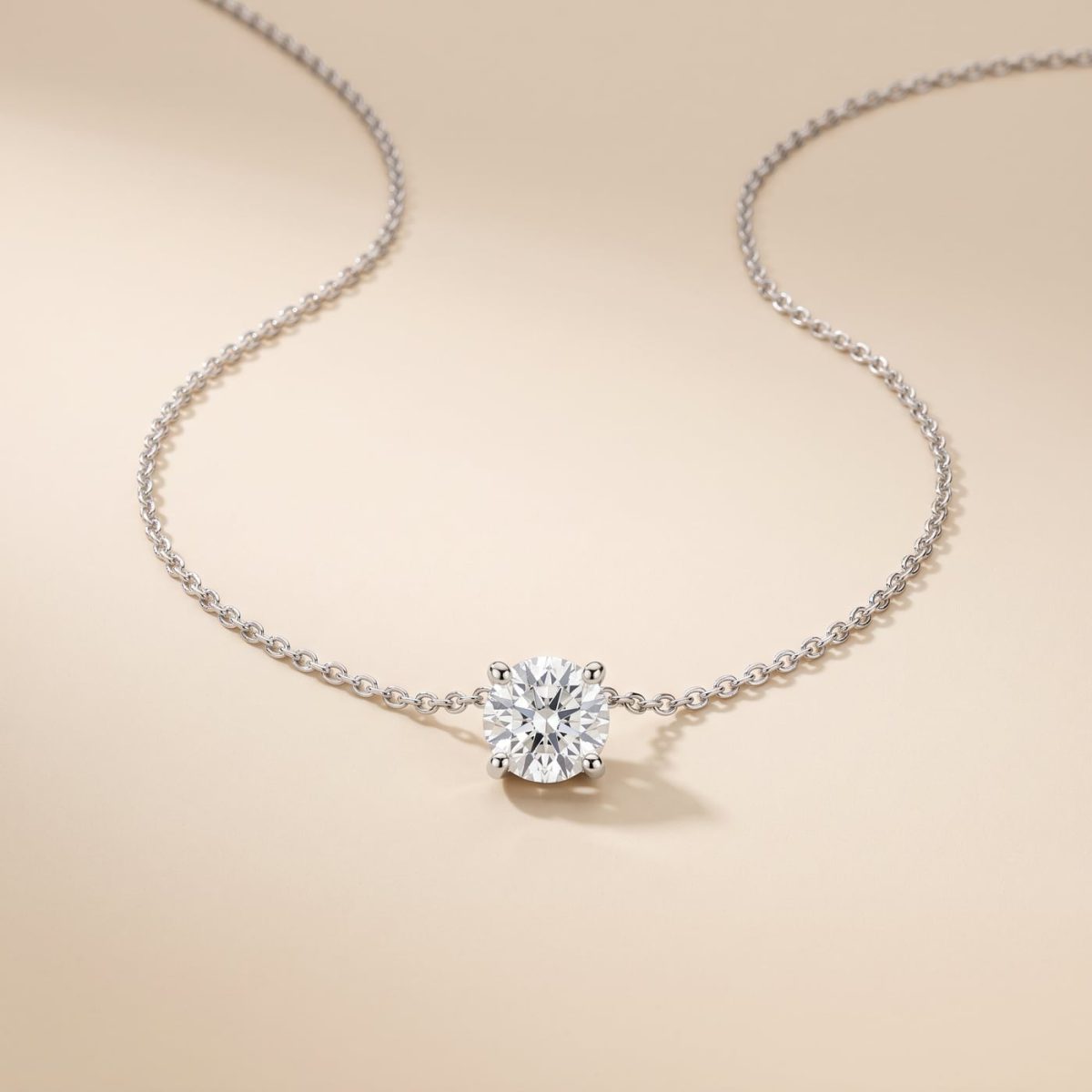
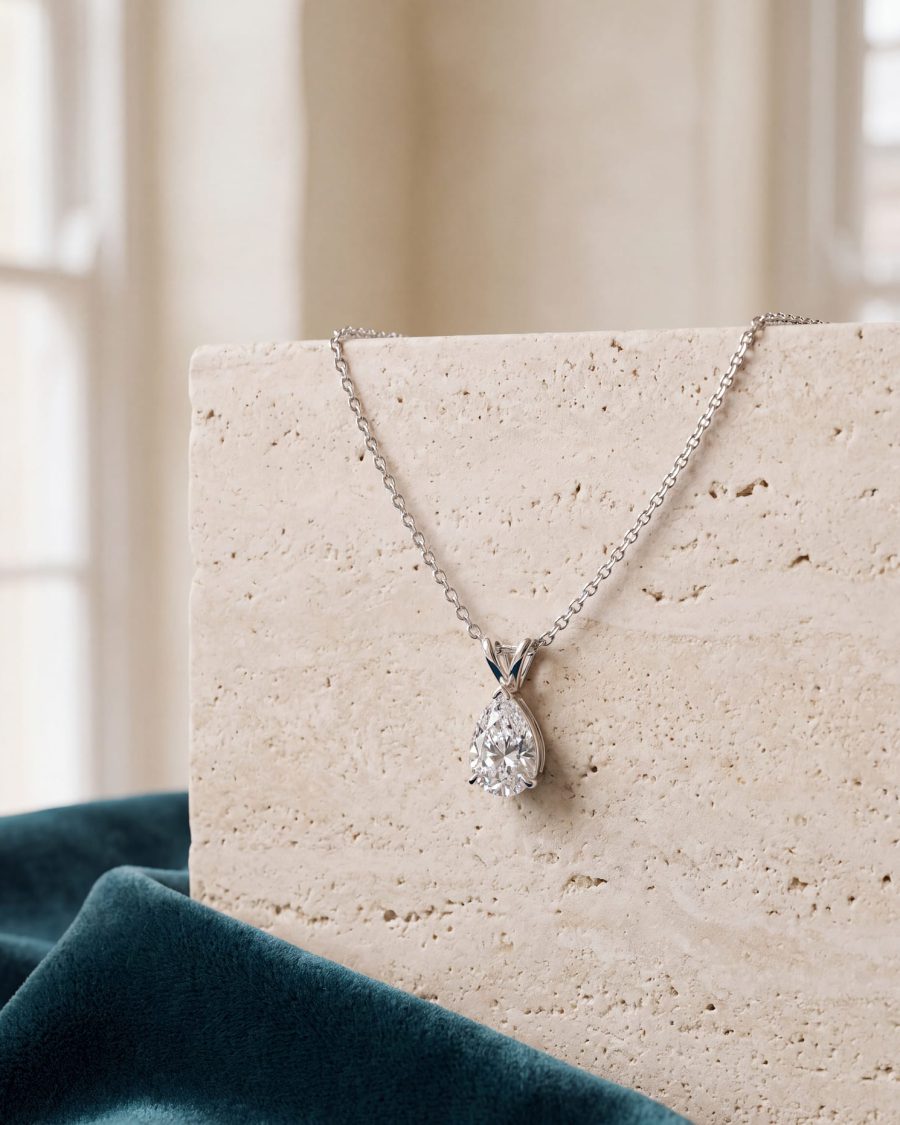
Necklaces
Prices on WhatsApp
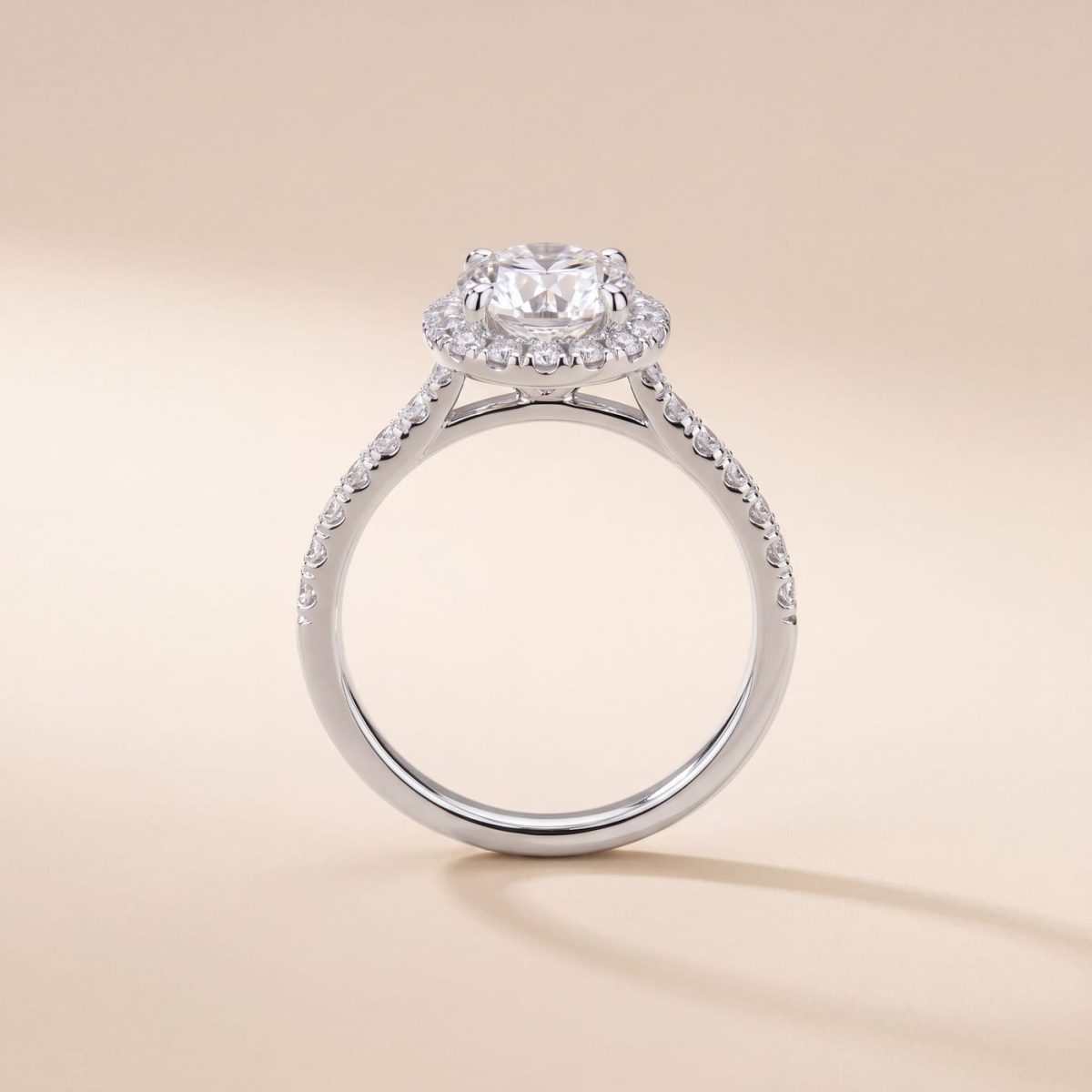
Solitaire Rings
Prices on WhatsApp
From our workshop
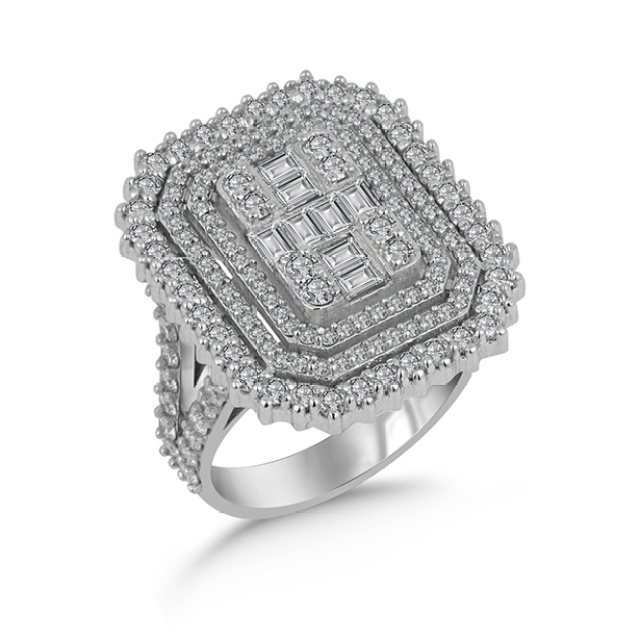
Examples of pieces made in our workshop. Tap the one you like and we will make a similar one for you.
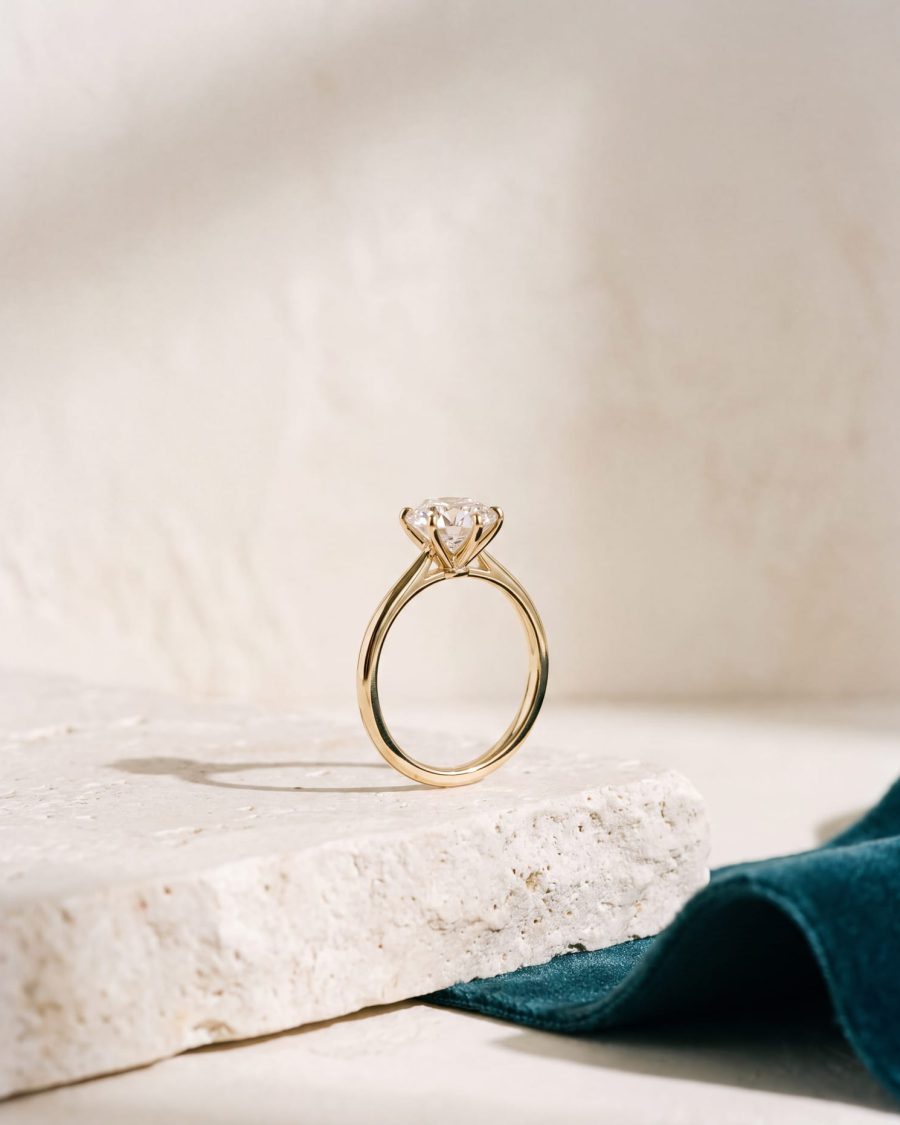
 IGI certified 2 caratRound cut · Solitaire ring
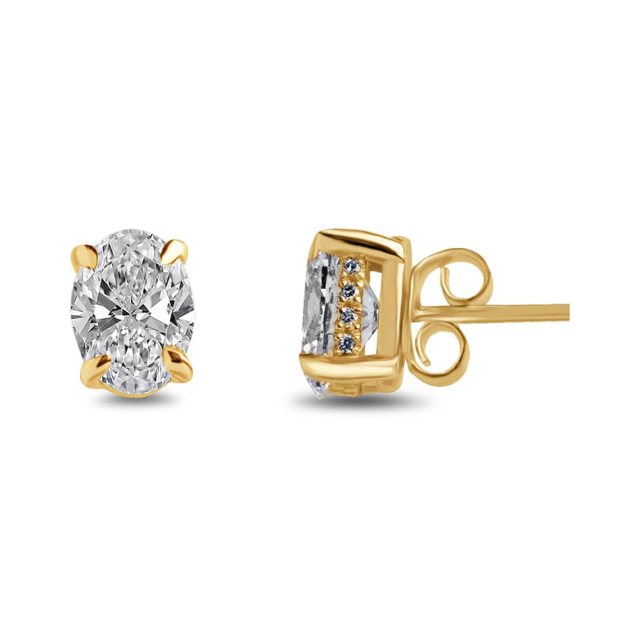
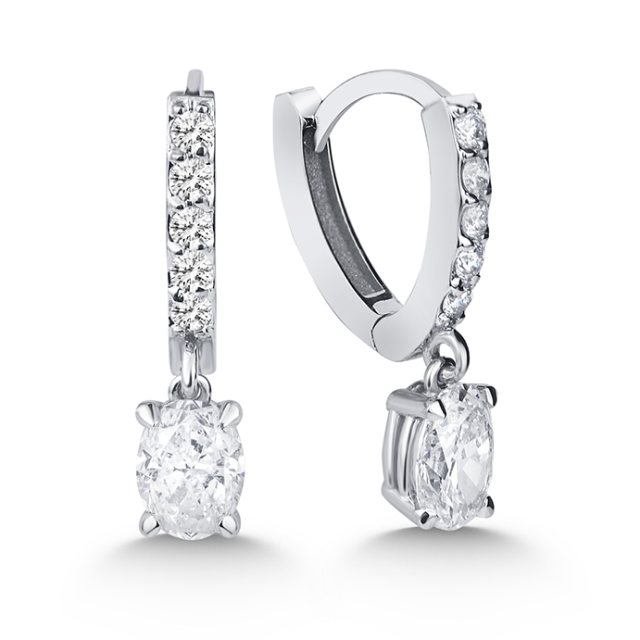
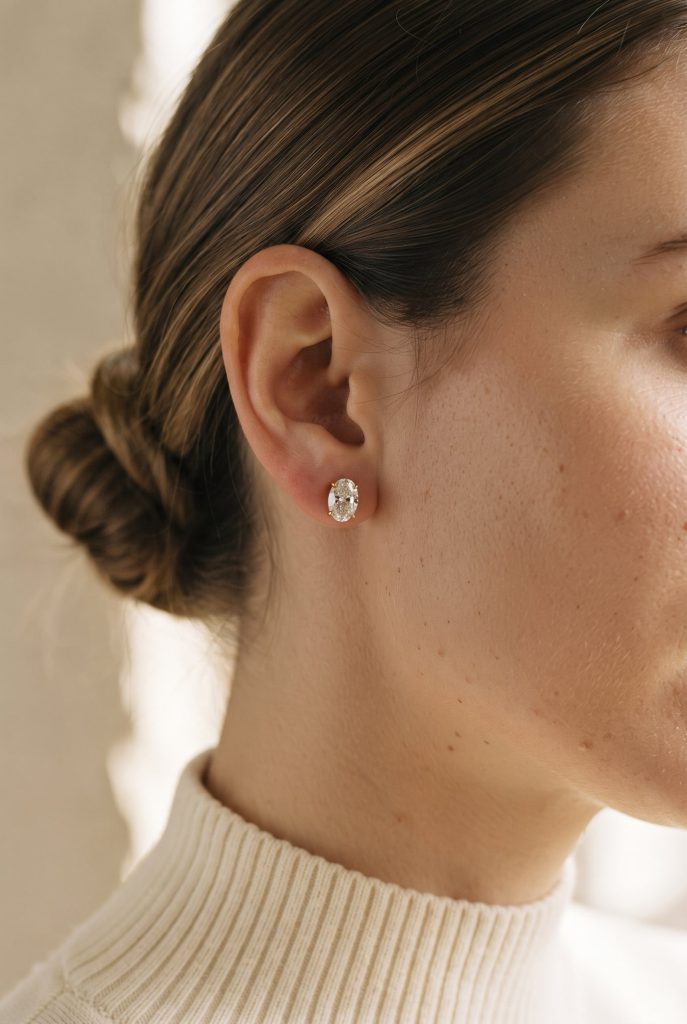 2.08 caratOval cut · Solitaire earrings
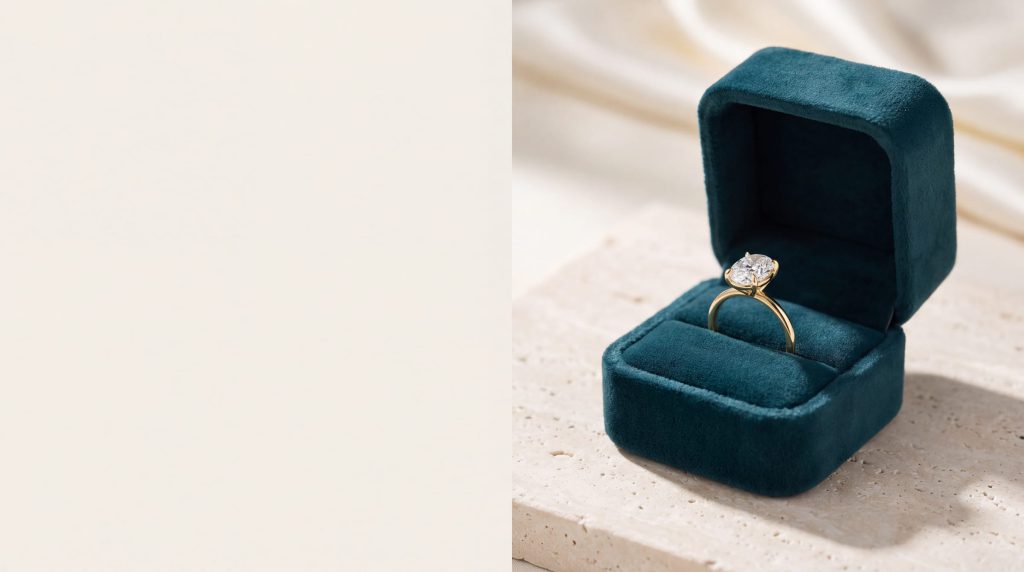
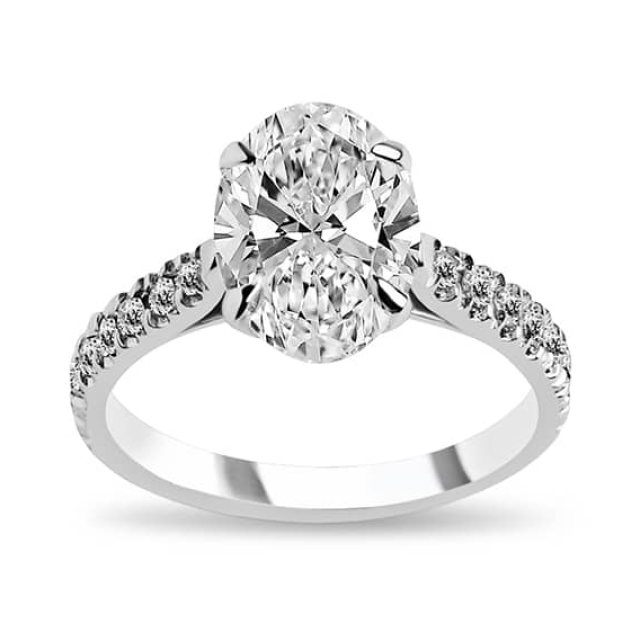
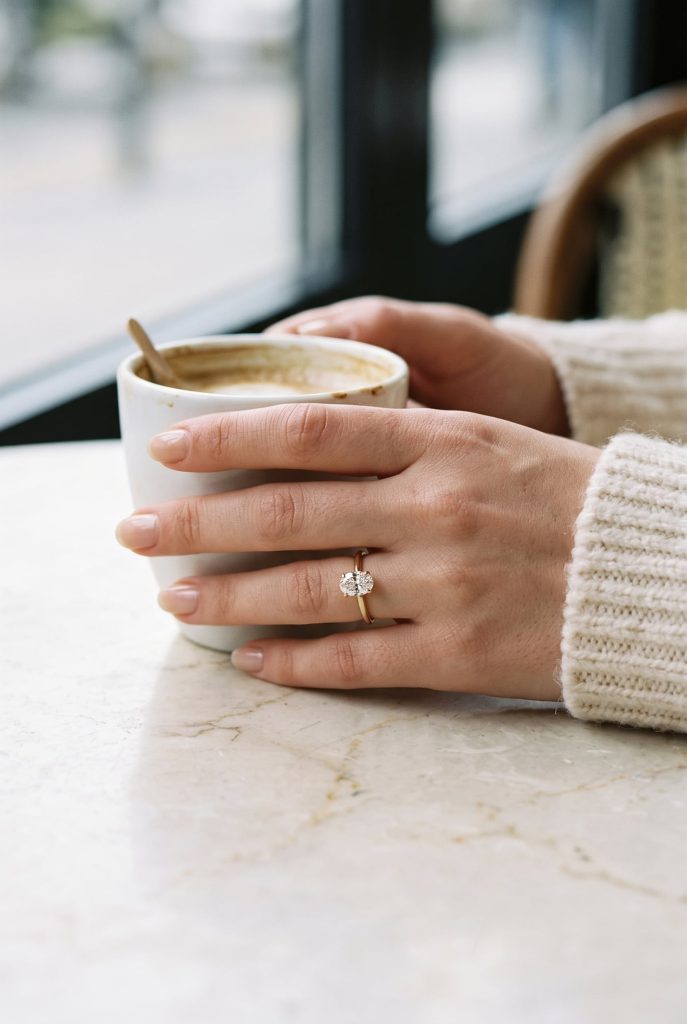 IGI certified 1.02 caratOval cut · Solitaire ring
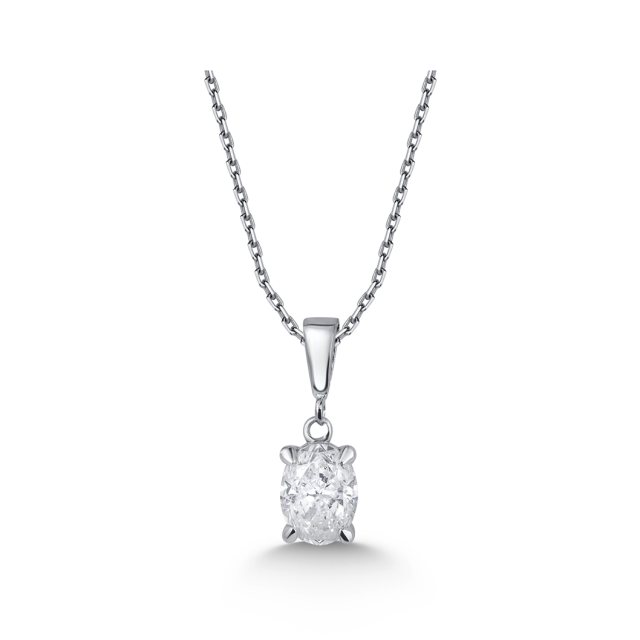
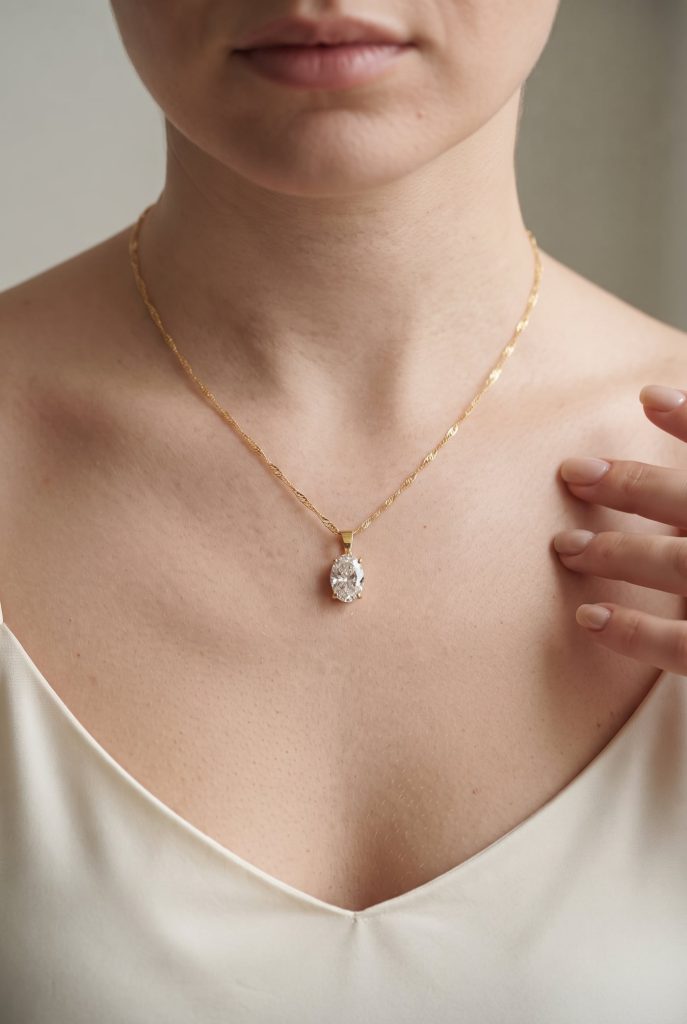 3.19 caratOval cut · Solitaire necklace
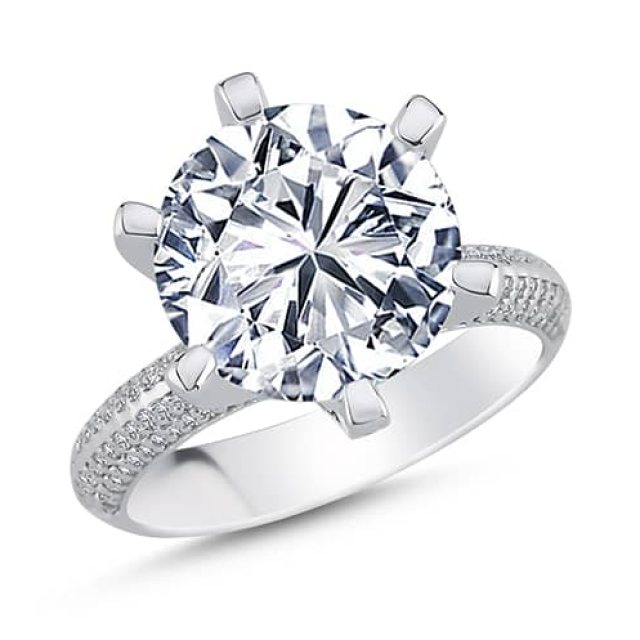
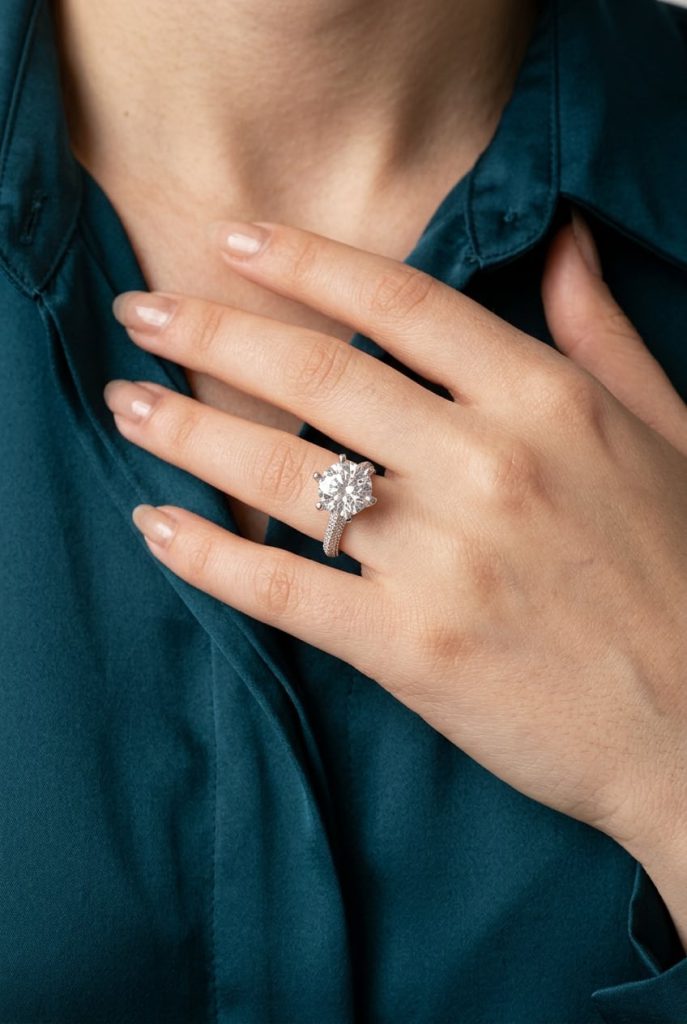 IGI certified 5.54 caratRound cut · Solitaire ring
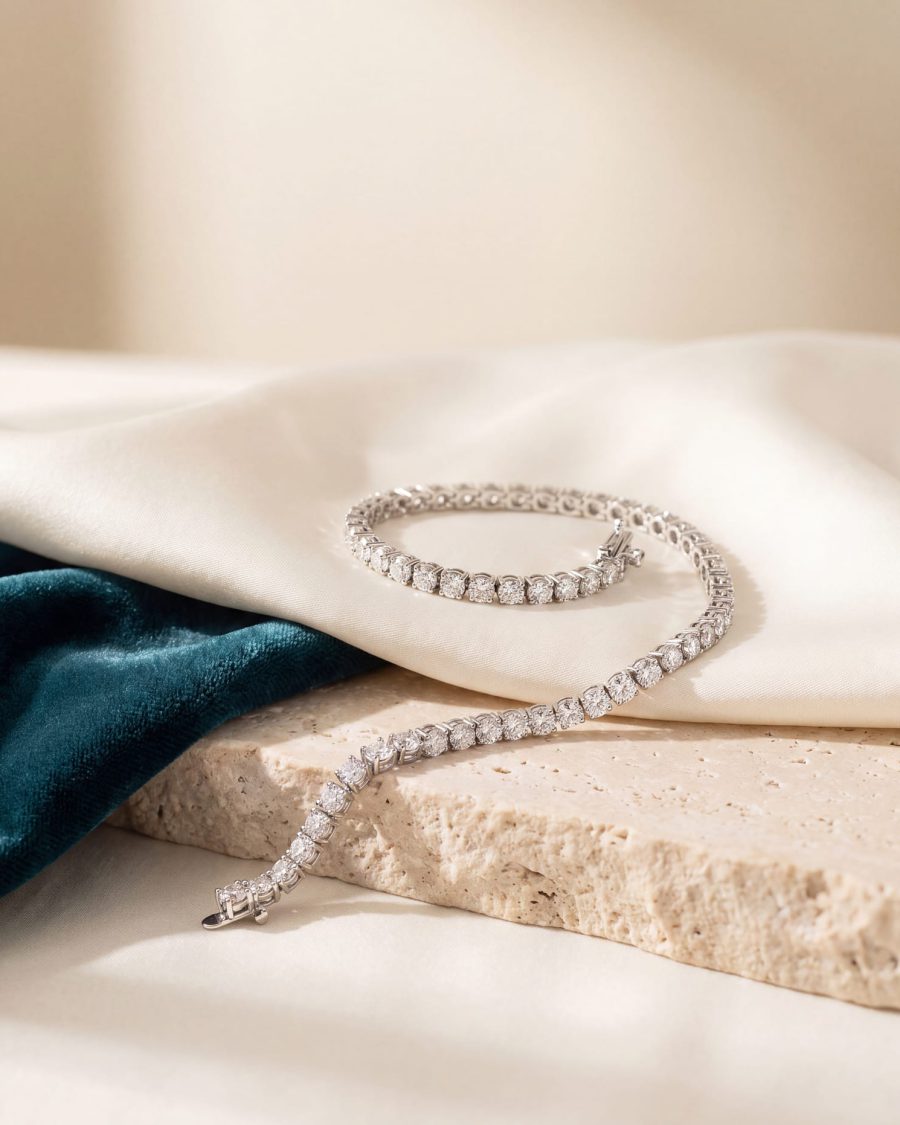
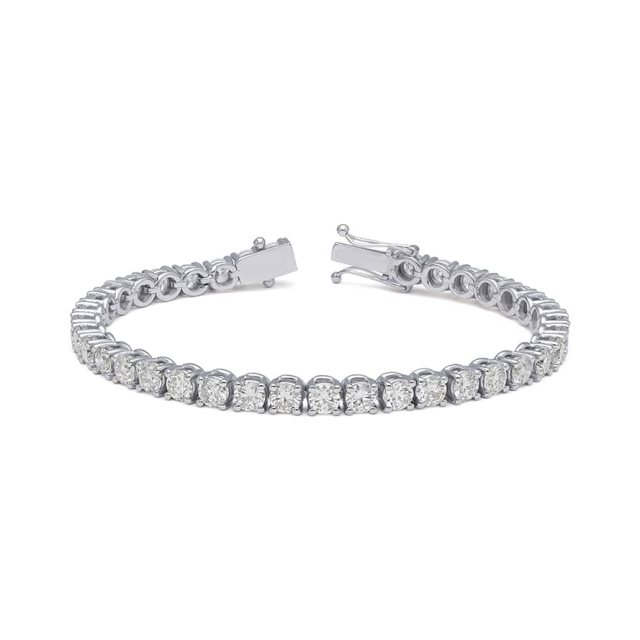
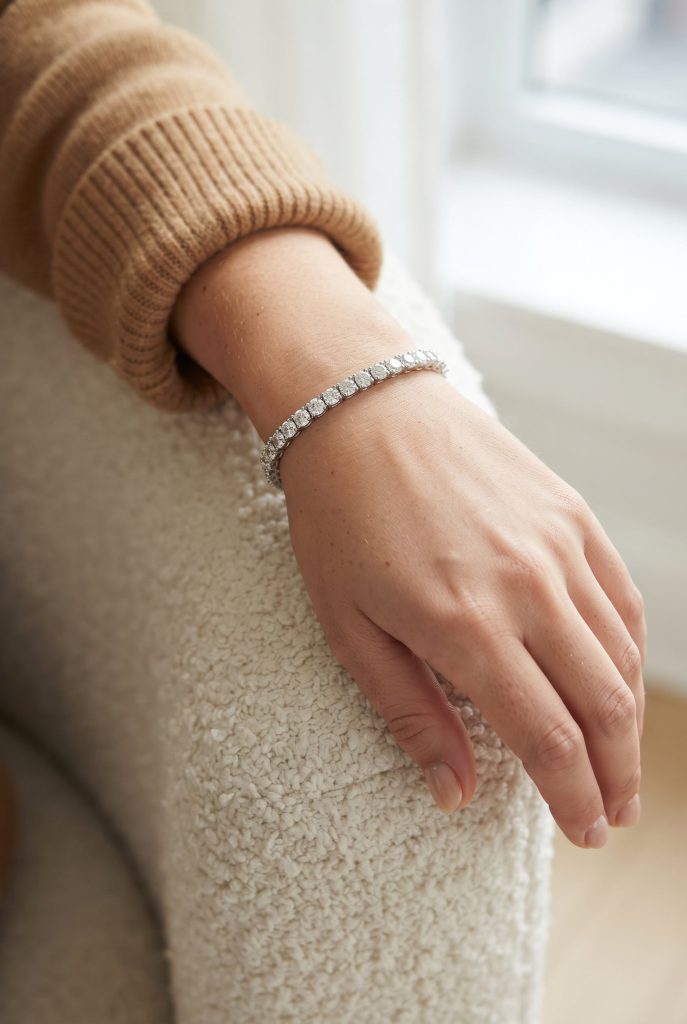 11.10 caratTennis bracelet
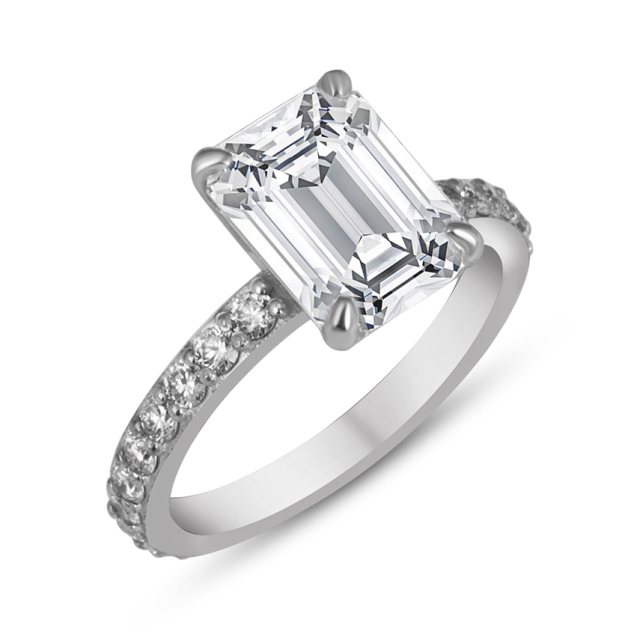
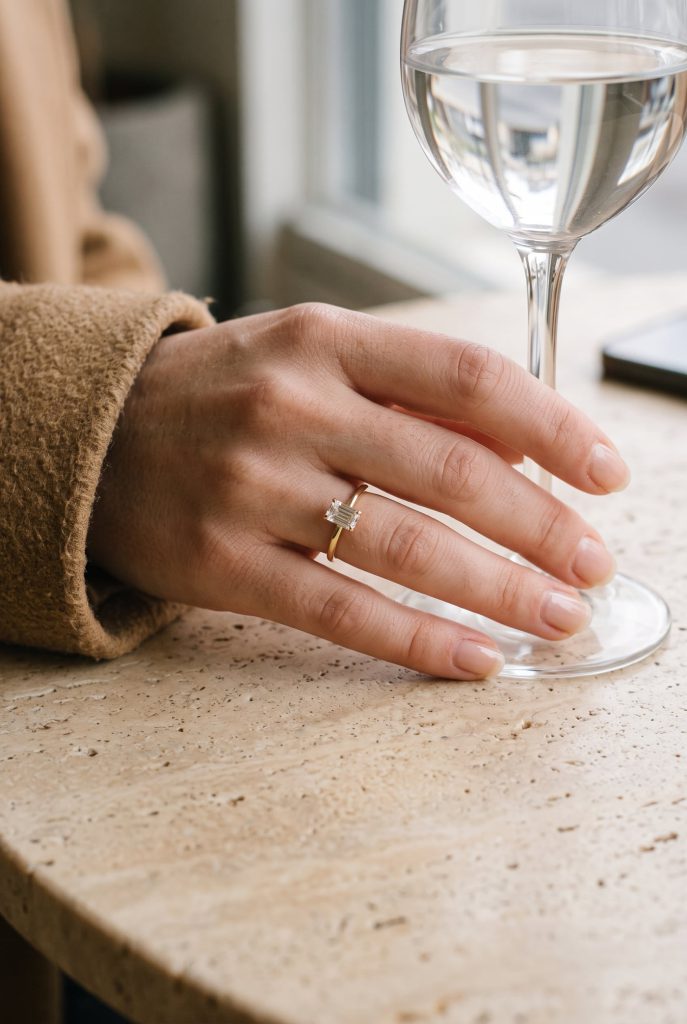 IGI certified 0.80 caratEmerald cut · Solitaire ring
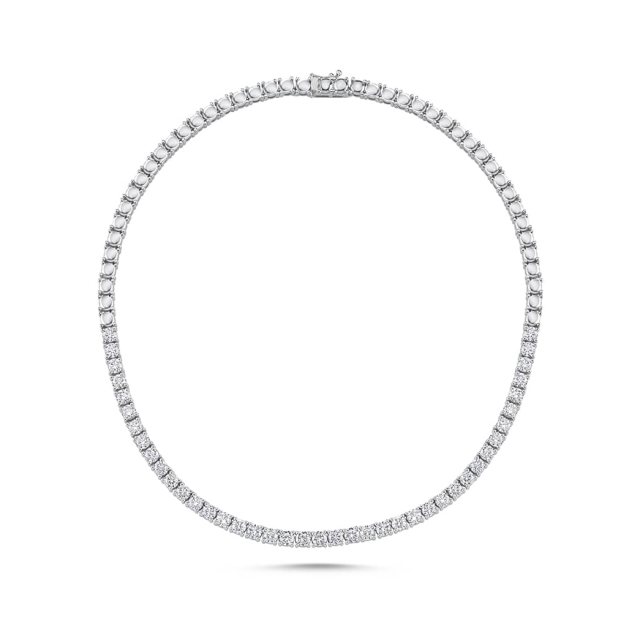
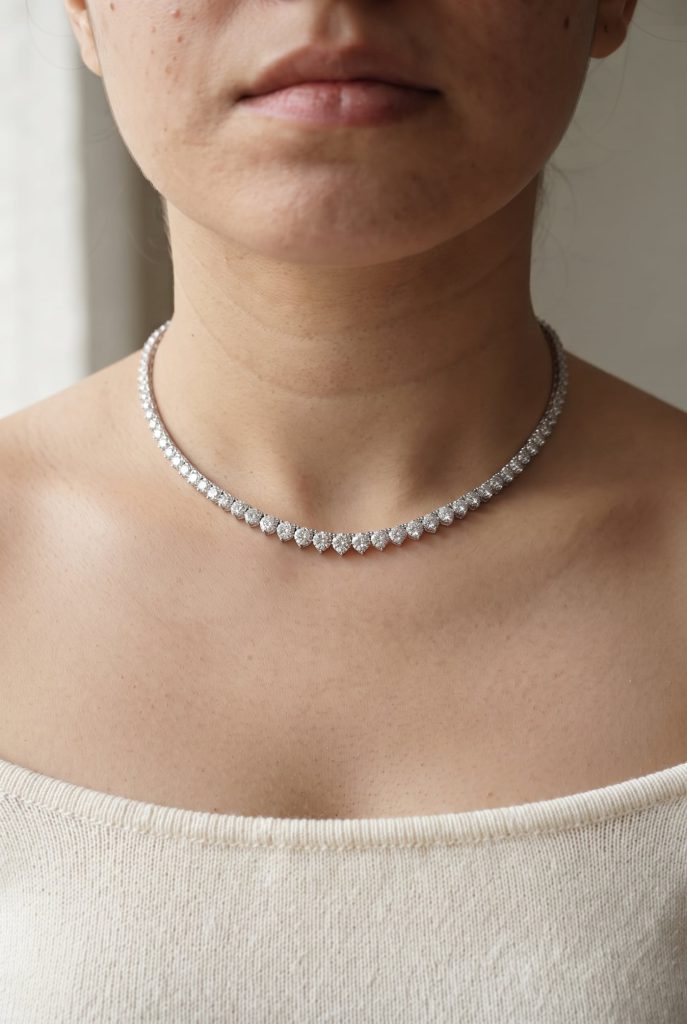 9.25 caratTennis necklace
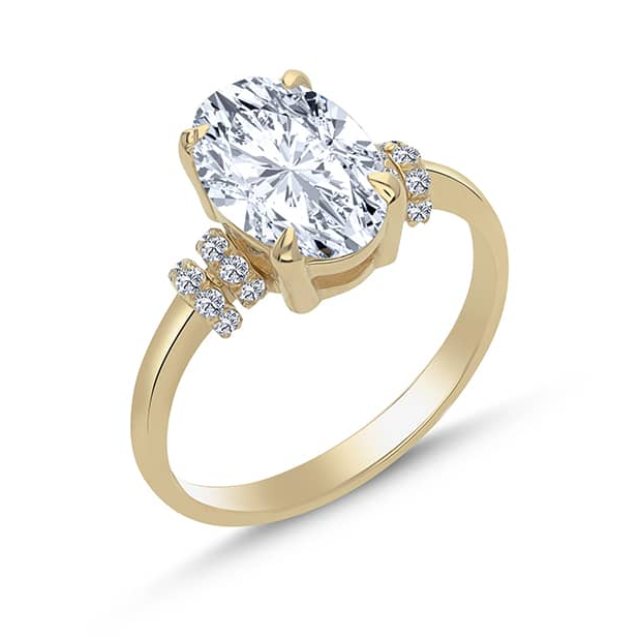
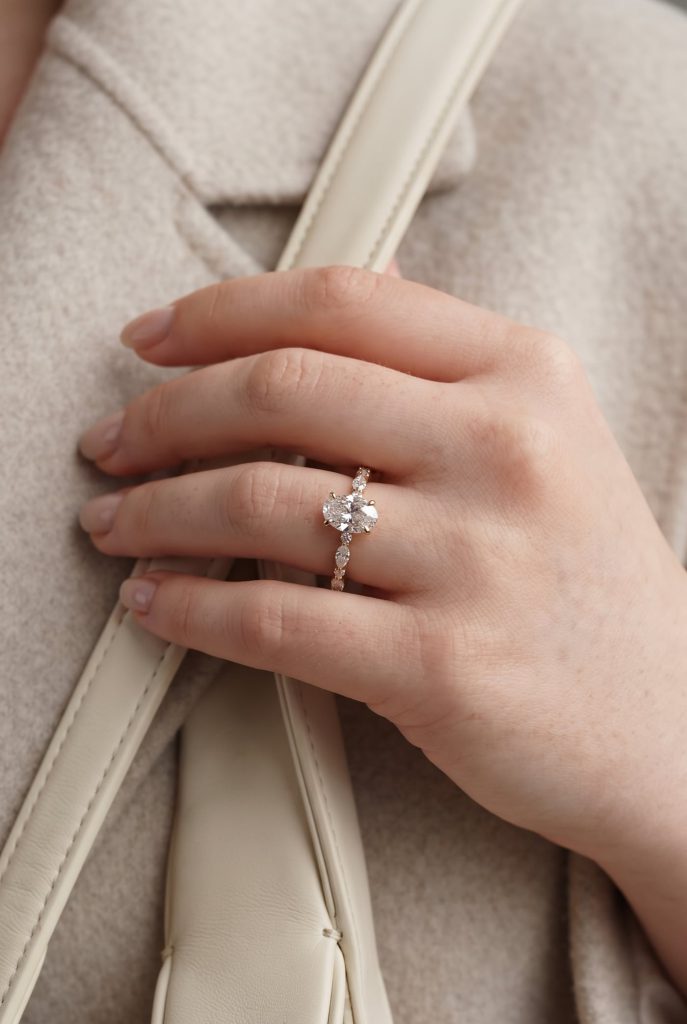 IGI certified 1.80 caratOval cut · Solitaire ring
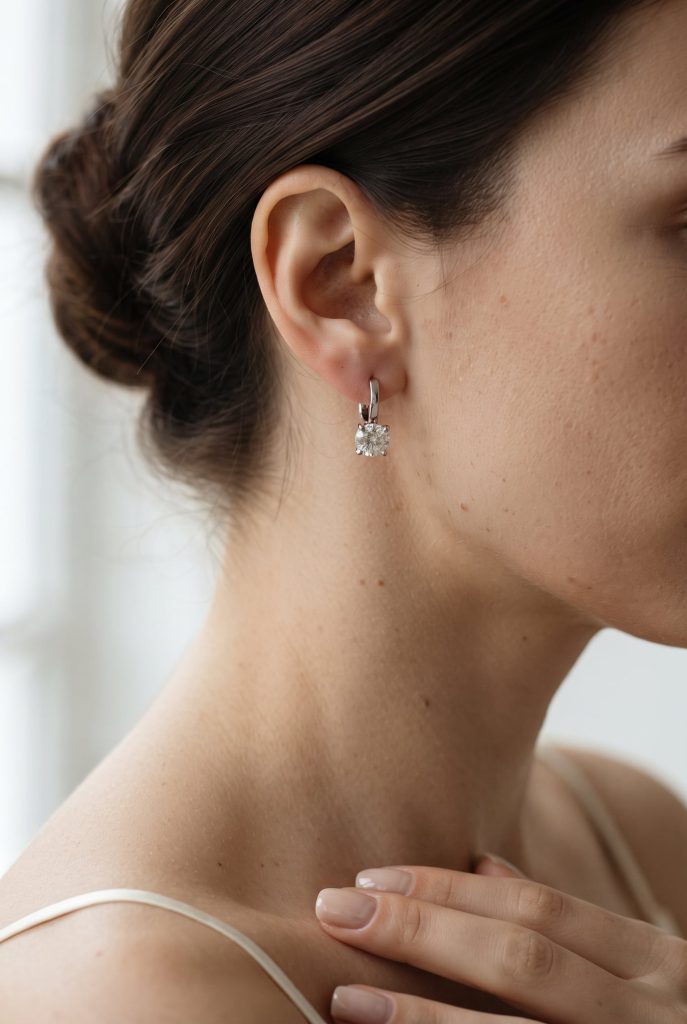 1.57 caratSolitaire earrings
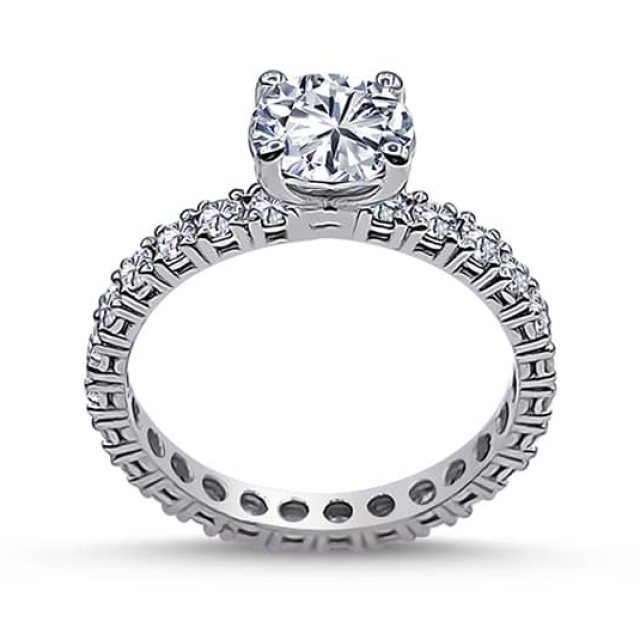
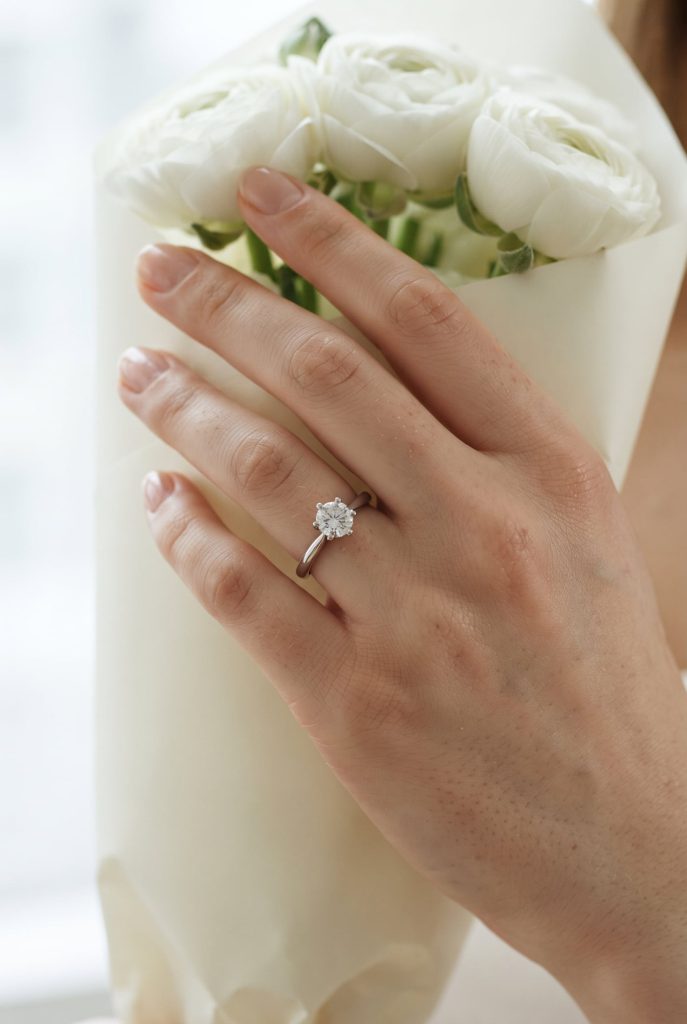 IGI certified 1.50 caratRound cut · Solitaire ring
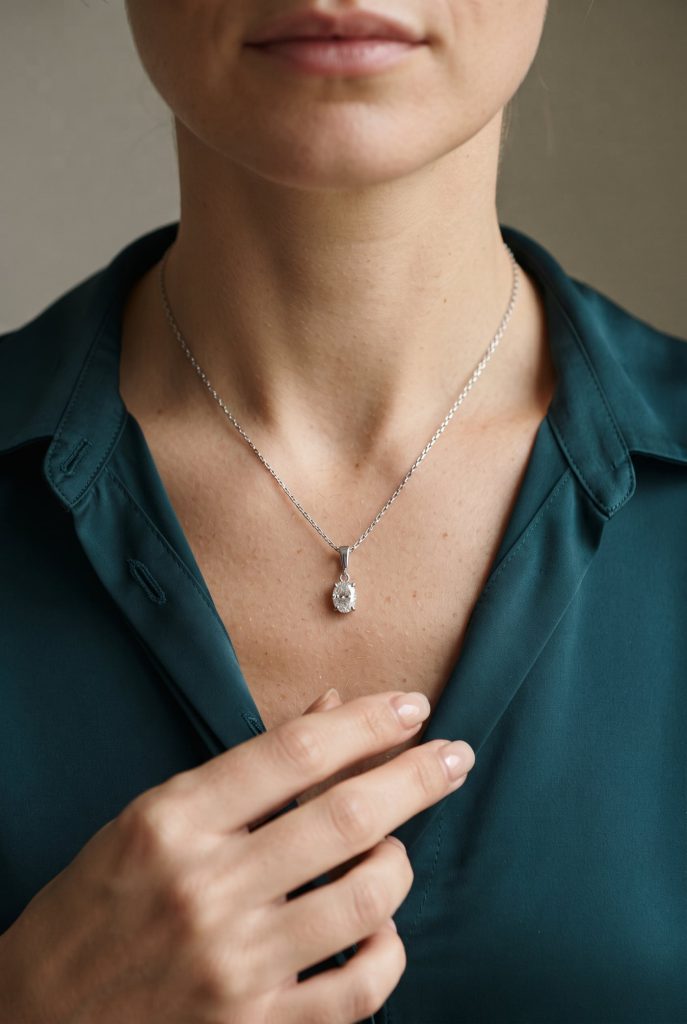 1 caratOval cut · Solitaire necklace
Images are representative; every piece is made to order with the stone and gold colour you choose.See real product photos in the gallery
Model catalogue
Made in our workshop: 661 models in one place. Pick the design you like by its number and we will make it for you with a lab-grown diamond.
From the workshop
The stone you choose is set, one by one, into a mount crafted by hand in our workshop. Four moments from your ring's journey.
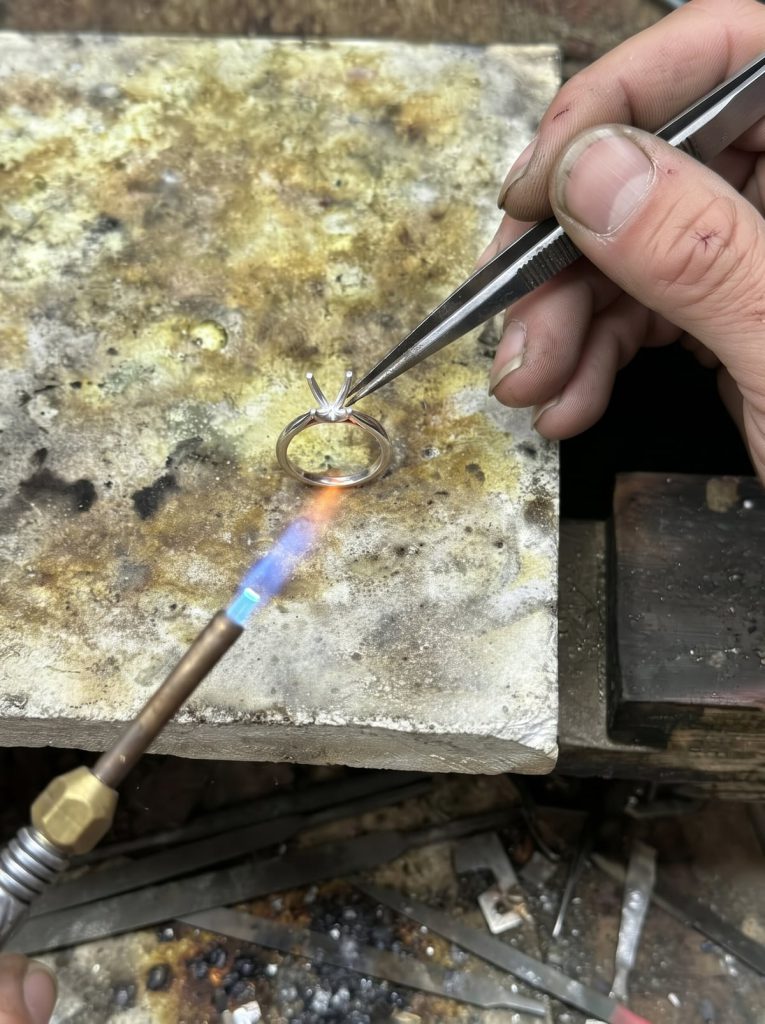 1
1
Mounting
The band of your ring is shaped by hand in the gold colour you choose.
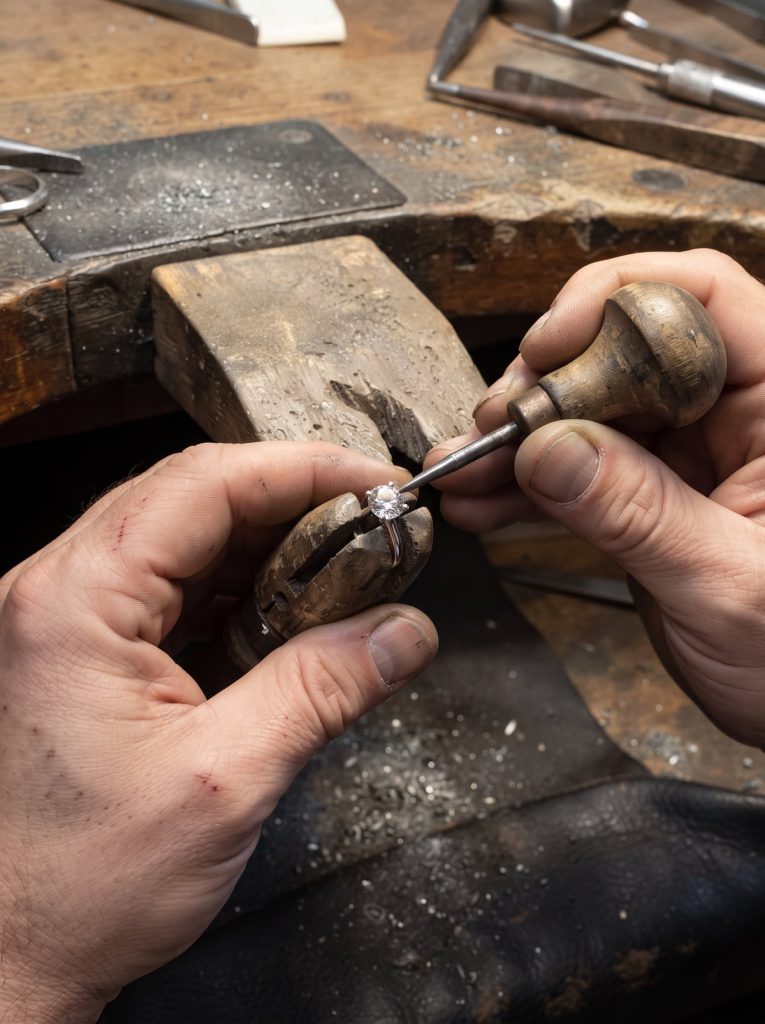 2
2
Setting
Each stone is seated in its mount one by one by the setter and secured with prongs.
 3
3
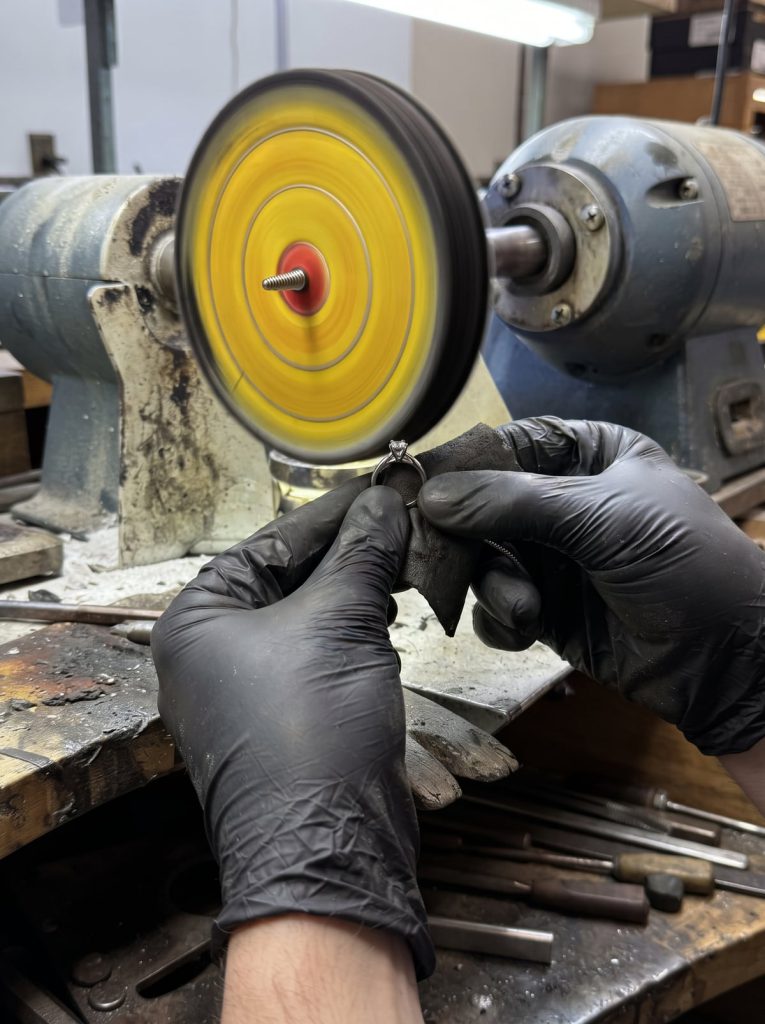
Polishing
Polishing reveals the smooth surface that reflects the diamond's light.
 4
4
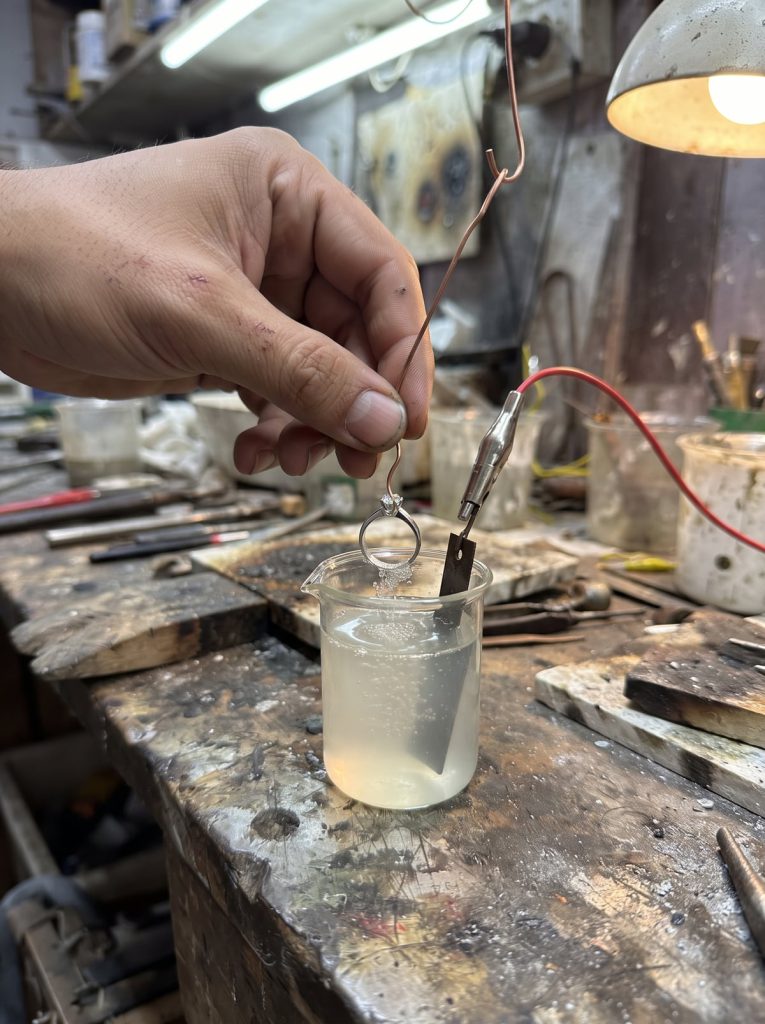
Rhodium
White gold pieces receive their bright white tone in the rhodium bath.
An honest comparison
Everything you should know before deciding. Resale value included.
| Property | Mined diamond | Lab-grown diamonds |
|---|---|---|
| Chemical composition | Pure carbon | Pure carbon |
| Hardness (Mohs) | 10 | 10 |
| Refractive index | 2,42 | 2,42 |
| Formation | Deep underground, over millions of years | In a laboratory, within weeks |
| Visible difference | None; indistinguishable | None; indistinguishable |
| Price | High | Noticeably more affordable for the same specifications |
| Resale value | Relatively retained | Low; bought to wear, not as an investment |
How we work
Choose the shape, carat and gold colour in the design studio, or pick a design you like.
Your choice reaches us as a ready-made message; ask your questions directly.
We send you real stones that fit, with certificate details and prices, side by side.
After your approval, your jewellery is made for you and delivered with its documents.
Blog
Carat, certificates, ring size, the moissanite difference: read before you decide.
Jewellery Guide
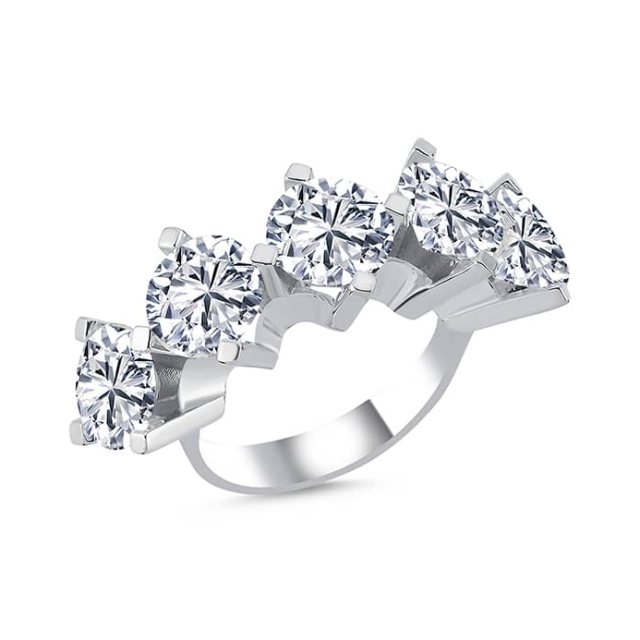
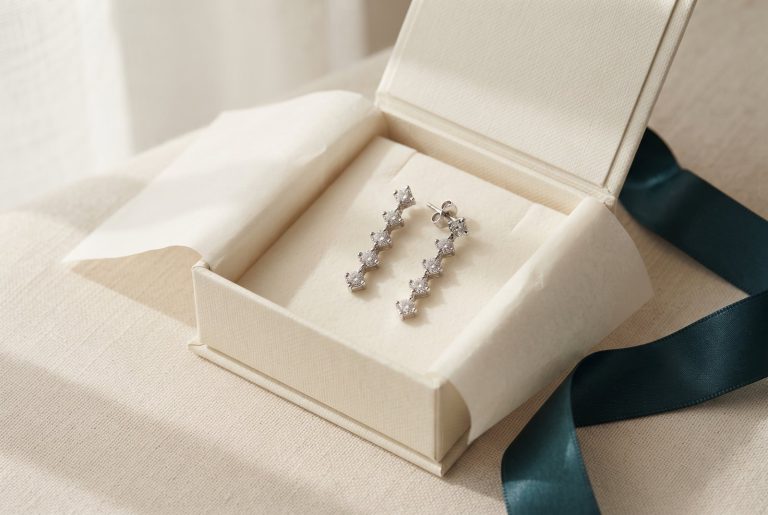
There are lovely ways to give a diamond on an anniversary: a five-stone ring, an eternity ring, solitaire studs, a tennis bracelet. We share…
3 min read
Jewellery Guide
14 karat is harder and more durable; 18 karat has a higher gold content and a warmer tone. We explain the difference between the…
3 min read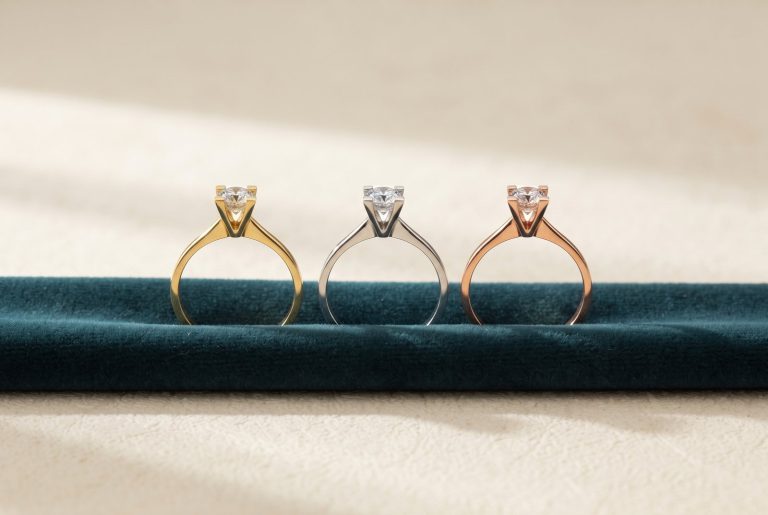
Jewellery Guide
Gold colour changes how a diamond looks and the character of the ring. We compared the three gold colours by stone, skin tone and…
3 min read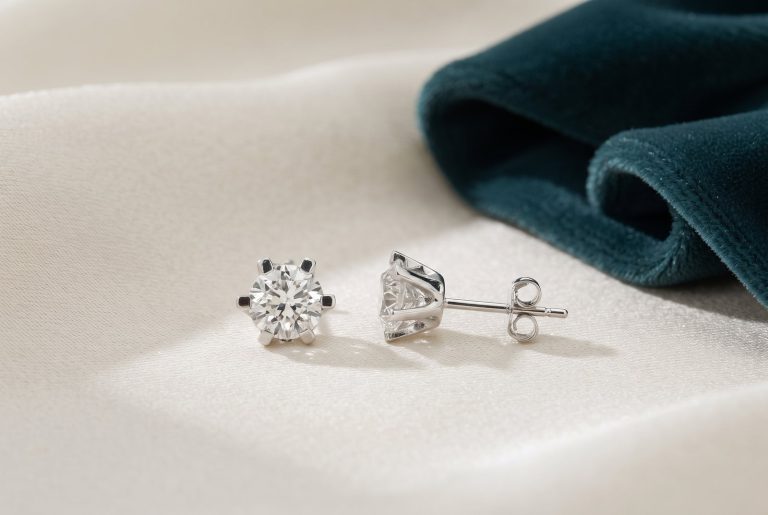
Jewellery Guide
Solitaire studs are the most timeless diamond jewellery. We explain what the total carat weight of a pair means, how studs look on the…
3 min readFrequently asked
Yes. A lab-grown diamond is chemically pure carbon, has a hardness of 10 on the Mohs scale and refracts light at the same rate (2.42) as a mined diamond. The only difference is where it formed: a controlled laboratory environment instead of deep underground. It should not be confused with diamond look-alikes such as cubic zirconia or moissanite; those are not diamonds.
Not with the naked eye or a jeweller’s loupe. The difference can only be detected in advanced gemological laboratories with special instruments that read the stone’s growth marks. That is why a lab-grown diamond should always be presented with a clear statement of what it is, and that is how we work.
No. Because it is a diamond, it is as durable as a mined diamond; it does not lose its brilliance and its colour does not change. In daily wear it can look dull from oil and dirt; cleaned with warm water, a few drops of dish soap and a soft brush, it returns to its first-day light.
Because it is grown in a controlled production process rather than through a mining chain, its supply is more flexible. This noticeably lowers the price of a stone of the same carat, colour and clarity. The price difference comes from origin, not quality.
Yes. Independent gemological laboratories such as IGI grade lab-grown diamonds by carat, cut, colour and clarity as well. The report clearly states that the stone was grown in a laboratory; the report number is usually laser-inscribed on the stone’s girdle and can be verified on the laboratory’s own website.
The honest answer: it is low. A lab-grown diamond is bought to wear and to carry a memory, not as an investment. That is why we suggest spending your budget on the stone’s visible beauty, above all on cut quality.

Tell us the model you have in mind; we will send you real stones that fit, with certificate details and prices, on WhatsApp. Advice is free and comes with no obligation.