Diamond Basics
Diamond Shapes: 10 Cuts and Their Features
From round to marquise, from princess to emerald cut: we compared ten diamond shapes in one article, with the light of each, how it looks on the finger and who it suits.
3 min readUpdated: October 7, 2026
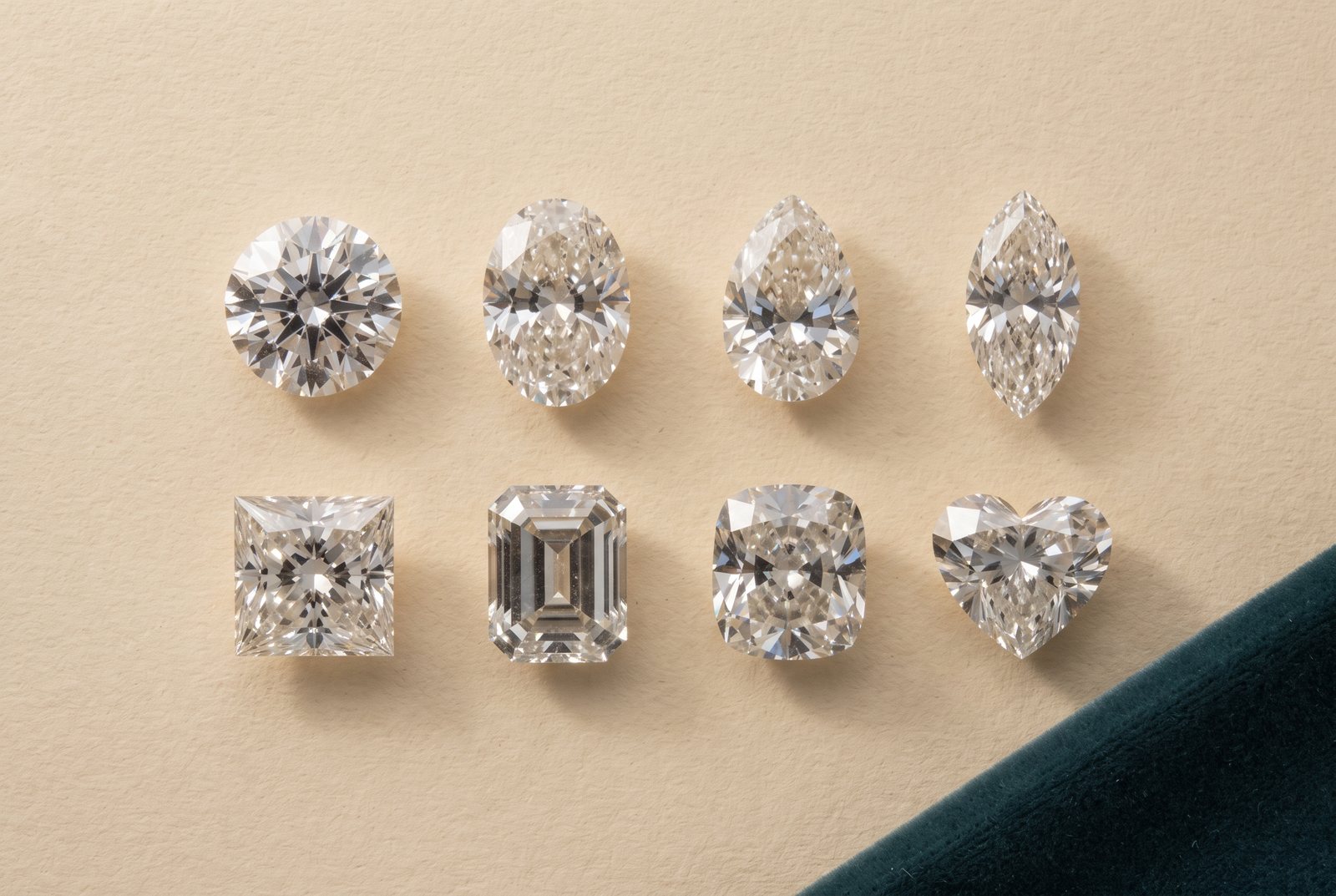
Short answer: The ten best-known diamond shapes are: round, oval, pear (teardrop), marquise, princess, cushion, emerald, asscher, radiant and heart. Round is the most brilliant and most classic shape; oval, pear and marquise look bigger at the same carat and lengthen the finger; emerald and asscher give a calm, architectural light. The right shape is chosen according to the hand, the style and how you want the stone to look.
Brilliant-style shapes: the most sparkle
Round
The most classic and most popular shape. Its facet pattern is calculated to return the most light, so it gives the most sparkle. It suits every style. Classic solitaire.
Oval
An elongated round; it looks bigger at the same carat and makes the finger look longer. Oval solitaire guide.
Pear (teardrop)
One end rounded, the other pointed; graceful and distinctive. Pear cut guide.
Marquise
A long shape pointed at both ends; one of the cuts that looks biggest for its carat. Marquise cut guide.
Heart
Romantic and symbolic; but below 0.50 carat the heart shape becomes hard to read, so it is usually chosen in larger stones.
Angular brilliant shapes
Princess
A square with sharp corners; modern and strong. Its corners should be protected by prongs. Princess cut guide.
Cushion
A square or rectangle with soft corners; a romantic, vintage feel. Its fire (coloured sparkle) is pronounced.
Radiant
A rectangle or square with cut corners; it combines the outline of the emerald cut with brilliant sparkle.
Step-cut shapes: calm light
Emerald
A rectangle with cut corners, cut in parallel steps; it gives broad reflections like a “hall of mirrors”. It shows off clarity. Emerald cut guide.
Asscher
The square version of the emerald cut; it gives a deep, geometric look.
The baguette cut also comes from this family and is mostly used for side stones. What is a baguette?
Shape comparison table
| Shape | Light | Look at the same carat | Who it suits |
|---|---|---|---|
| Round | The most sparkle | Standard | Everyone |
| Oval | Very brilliant | Bigger | Those who want a longer-looking finger |
| Pear | Very brilliant | Bigger | Those looking for graceful and different |
| Marquise | Brilliant | Among the biggest-looking | Lovers of bold, vintage looks |
| Princess | Brilliant | A little smaller | Lovers of modern, sharp lines |
| Cushion | Fiery | A little smaller | A romantic style |
| Emerald | Calm, mirror-like | A larger face | A minimal, architectural style |
Shape affects price too: because the round cut loses the most rough in cutting and is the most in demand, it is usually the most expensive shape at the same carat and quality. Other shapes can cost less per carat. What sets solitaire prices?
How to choose a shape
Look at the hand: on short, full fingers, elongated shapes (oval, pear, marquise) lengthen the finger; long, slim fingers suit every shape. Look at the style: classic suits round, modern suits princess or emerald, romantic suits cushion or pear. Best of all is to see the shapes on a hand: in our ring designer you can compare eight shapes on the same hand at true scale. Choosing by finger type.
Frequently asked questions
The round brilliant cut gives the most sparkle. Brilliant-style shapes such as oval, pear and cushion are very brilliant too. At the same carat, marquise, oval and pear cuts look bigger than round, because their weight is spread along their length instead of their depth. Yes. At the same carat and quality, the round cut is usually the most expensive; other shapes can cost less per carat. Round is the most classic choice; in recent years oval has become very popular too. The right shape depends on your hand and your style.Which diamond shape sparkles most?
Which shape looks bigger?
Does the diamond shape affect the price?
Which shape is chosen most for a solitaire?
Blog
Keep reading
Diamond Basics
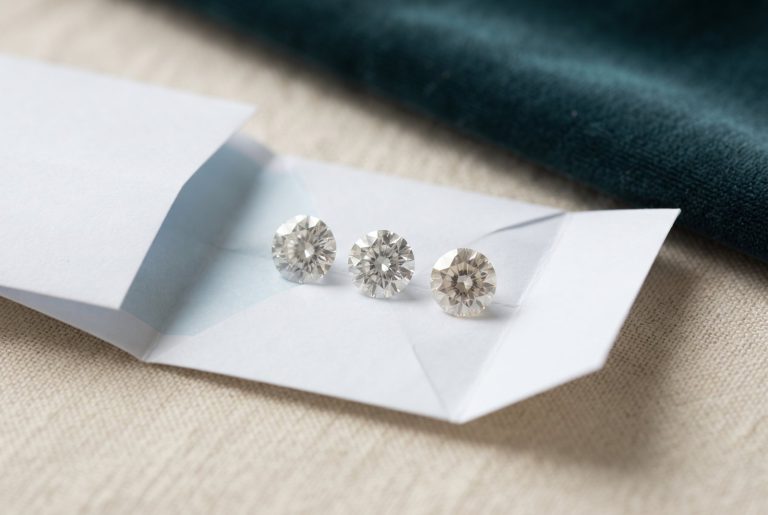
What Do F, G and H Colour Diamonds Mean?
The diamond colour scale runs from D to Z. We explain the difference between E, F, G and H colour stones, whether you can…
3 min read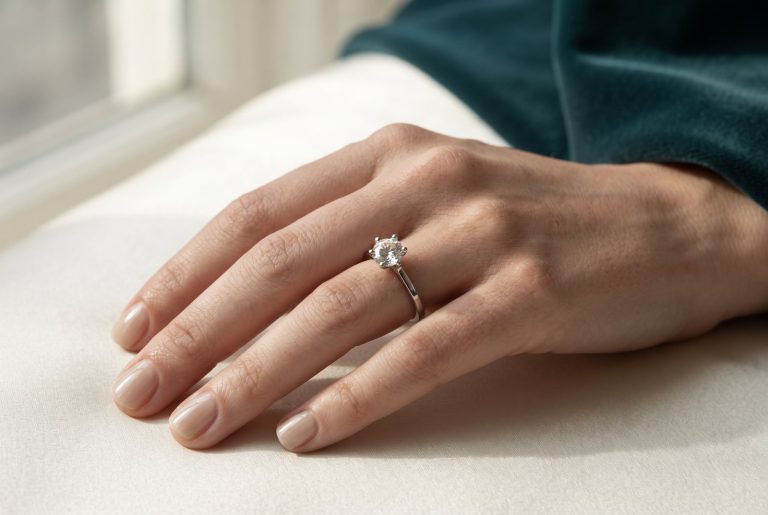
Diamond Basics
Diamond Sparkle: What Are Brilliance, Fire and Scintillation?
A diamond's sparkle comes from three separate light effects: brilliance, fire and scintillation. We explain what decides them and what people really mean by…
3 min read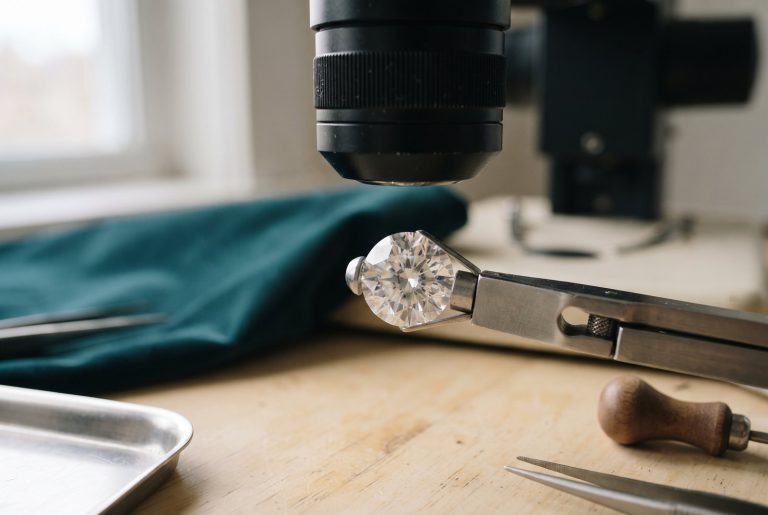
Diamond Basics
Diamond Clarity Scale: From FL to I3
Clarity is how visible the tiny marks inside a diamond are. We explain the FL, IF, VVS, VS, SI and I grades with a…
3 min read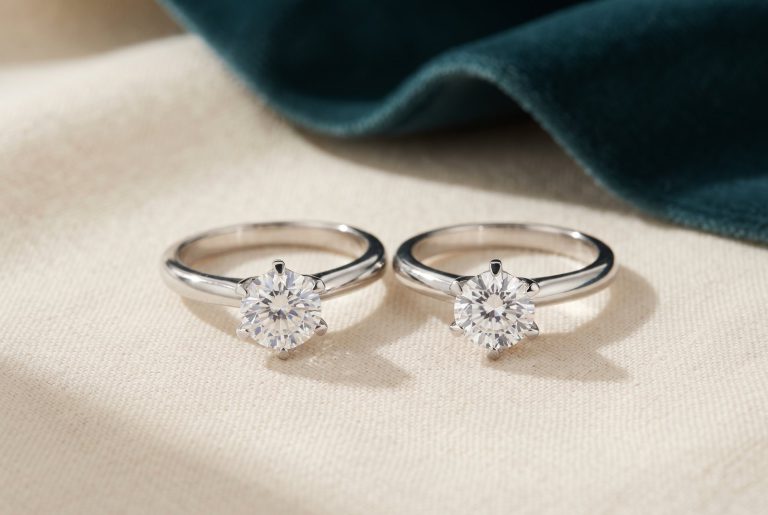
Diamond Basics
Cubic Zirconia vs Diamond: What Is the Difference?
Cubic zirconia looks like a diamond at first glance, but it is a very different stone. We explain the differences in hardness, light, weight…
3 min read