Buying Guide
What to Look for When Buying a Diamond Ring: 10 Points
Certificate, cut, carat thresholds, the balance of colour and clarity, setting, gold purity, size and the questions to ask the seller: ten things to check when buying a diamond ring.
5 min readUpdated: October 7, 2026
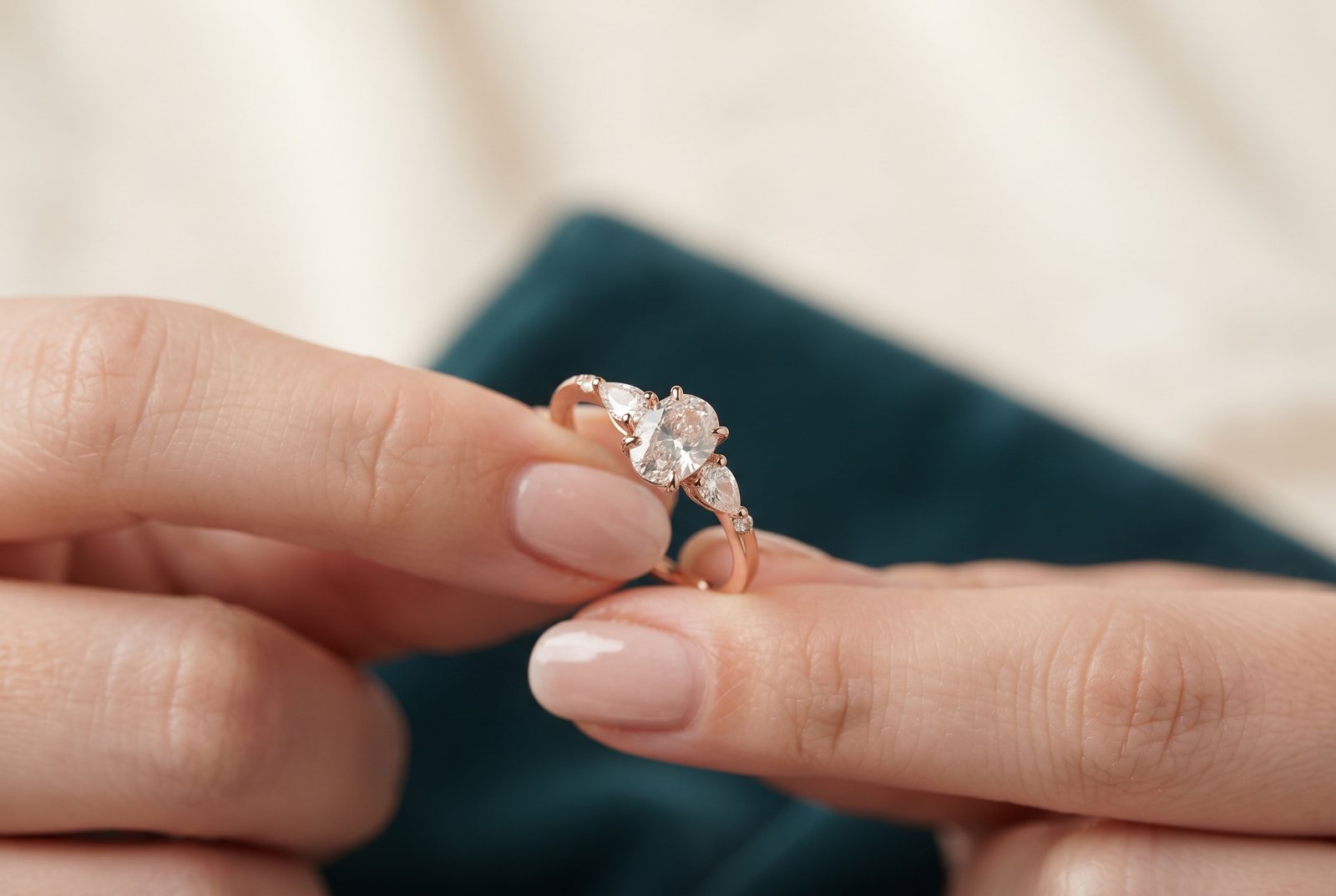
Short answer: When buying a diamond ring, check these in order: an independent certificate, cut quality, carat thresholds, the balance of colour and clarity, a strong setting, the gold purity, the ring size and what the seller offers you. Decide on the real stone, not a photo, and get every answer in writing. The ten points below are everything you need to know before you sit down to negotiate.
1. The certificate: the stone’s identity
The stone should have a report from an independent gemmological laboratory (such as IGI or GIA). The report states the stone’s carat, cut, colour and clarity grades and measurements; the report number is usually laser-inscribed on the stone’s girdle and can be checked on the laboratory’s website. For a lab-grown diamond, the report states clearly that the stone was grown in a laboratory. Do not decide without seeing the report: how to read a certificate.
2. Cut quality: what decides the light
Of the four characteristics (carat, cut, colour, clarity), cut is the one the eye notices most. A well-cut stone sparkles even if it is small; a badly cut large stone looks dull. On the report, the cut, polish and symmetry grades should be “very good” or “excellent”. With elongated shapes such as oval and pear, also look at the bow-tie shadow: oval solitaire.
3. Carat thresholds
Price does not rise with carat in a straight line; it jumps at round values such as 0.50, 1.00 and 1.50. A 0.90-carat stone looks almost the same as a 1.00-carat stone but costs noticeably less. If your budget sits at a threshold, ask about the weight just below it. What is a carat.
4. The “enough” level of colour and clarity
D colour and flawless clarity are the most expensive end and cannot be told apart by eye. For most rings, G–H colour and VS clarity look clean and white; keeping the budget at this balance and putting the rest into cut and carat is smarter. We explain the grades plainly in colour and clarity.
5. Natural or lab-grown? Choose knowingly
Both are real diamonds: the same chemistry, the same hardness, the same light. The difference is origin and price: a lab-grown diamond is noticeably more affordable for the same characteristics, but its resale value is low. The seller should tell you clearly which one they are selling, and the certificate should confirm it. What is a lab-grown diamond?
6. A strong setting
The prongs holding the stone should be thick and even, and the stone should not move in its setting. Four prongs are classic and secure; six prongs are stronger, and a bezel is the most durable. Hold the ring up to the light and check that the prongs grip the stone evenly. In halo and pavé designs, each tiny stone’s prongs should be checked; in our workshop every stone is hand-set and checked one by one.
7. Gold purity and colour
Rings are made in 14 karat (58.5% gold) and 18 karat (75% gold). 14 karat is harder and more durable; 18 karat is yellower and softer. White gold is rhodium-plated and may need re-plating over the years; this is normal. Check that the purity hallmark is stamped inside the ring.
8. Ring size
The wrong size is the most common mistake. Measure in the middle of the day; for wide bands, consider half a size up. Fully stone-set designs such as full eternity rings may not be resizable later. Measure in three ways: how to find your ring size.
9. The report, not the catalogue photo
Catalogue photos are often enlarged and retouched. When deciding on a stone, trust its report; make sure the report number matches the laser inscription on the stone’s girdle. You can see the designs made in our workshop as they really are in the gallery.
10. Questions to ask the seller
- Which laboratory issued the stone’s certificate? Can the number be checked?
- Is the stone natural or lab-grown?
- Is the ring ready-made or made to order, and how long does production take?
- How are resizing and prong checks handled?
- What does the price include: stone, setting, certificate?
Get the answers in writing. A WhatsApp conversation is enough for this; everything stays on record in a single chat.
How do you make the most of your budget? Cut first, then carat, then colour and clarity. If you choose a lab-grown diamond, the same money buys a stone that is both bigger and cleaner. To see the shape and carat on a hand, use our ring designer.
Frequently asked questions
An independent certificate and cut quality. The certificate proves what the stone is; the cut decides how it sparkles. Carat, colour and clarity come after these. The most reliable way is to check the certificate number on the laboratory’s website and match it with the laser inscription on the stone’s girdle. Home tests are not conclusive: how to tell if a diamond is real. If you are buying it to wear and love, yes: the same look, the same durability, a more affordable price. If you are buying it as an investment, no; its resale value is lower than a natural diamond’s. Carat, cut, colour and clarity, plus the gold weight and workmanship of the setting. Two stones of the same carat are priced differently by a single grade: what sets the price.What matters most when buying a diamond ring?
How can you tell if a diamond ring is real?
Does it make sense to buy a lab-grown diamond ring?
What do diamond ring prices depend on?
Blog
Keep reading
Buying Guide
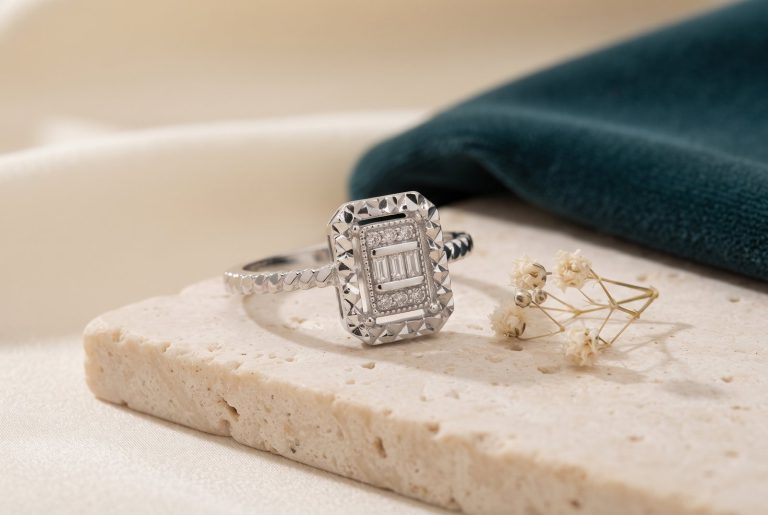
What Determines Baguette Ring Prices?
A baguette ring's price is not set by a single stone but by the number of stones, their total carat, how well they match…
4 min read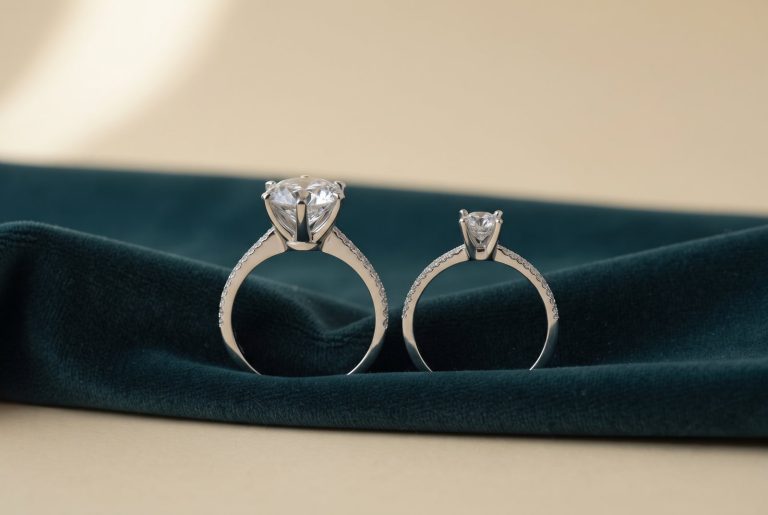
Buying Guide
What Makes Solitaire Ring Prices Vary?
Two solitaires of the same carat can differ greatly in price. We explain how the stone's 4Cs, its shape, its certificate and the setting…
4 min read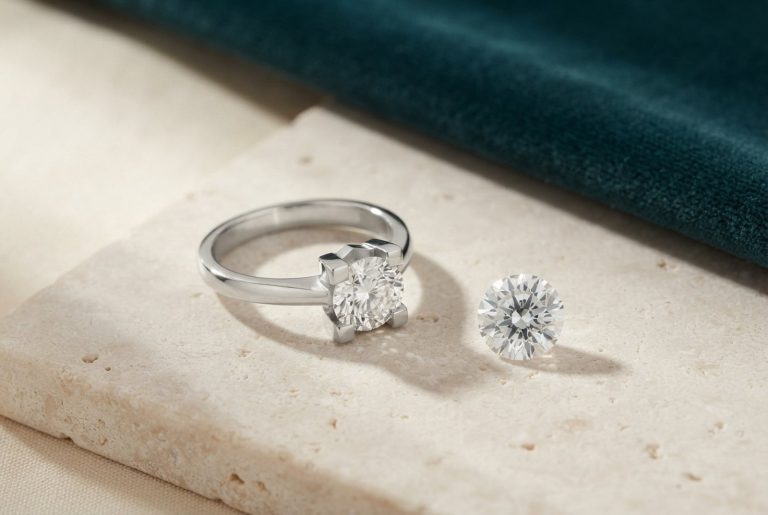
Buying Guide
Should You Buy a Lab-Grown Diamond? Pros and Cons
A lab-grown diamond is a smart choice for some people and not for others. We explain its pros and cons honestly, and who it…
4 min read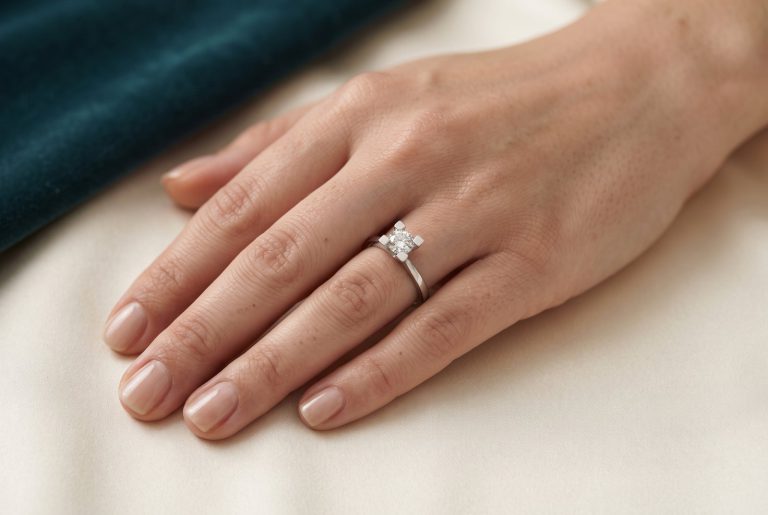
Buying Guide
1 Carat Solitaire: How Big Is It and What Sets the Price?
A 1 carat round solitaire measures about 6.5 mm across. We explain how it looks on the finger, its size in each shape and…
3 min read