Diamond Basics
How to Read the Diamond Colour Scale and Clarity Grades
What do D, F and H colour mean? Can you see the difference between VVS and VS? We explain the diamond colour scale and clarity grades in plain language, and which level is enough.
4 min readUpdated: October 6, 2026
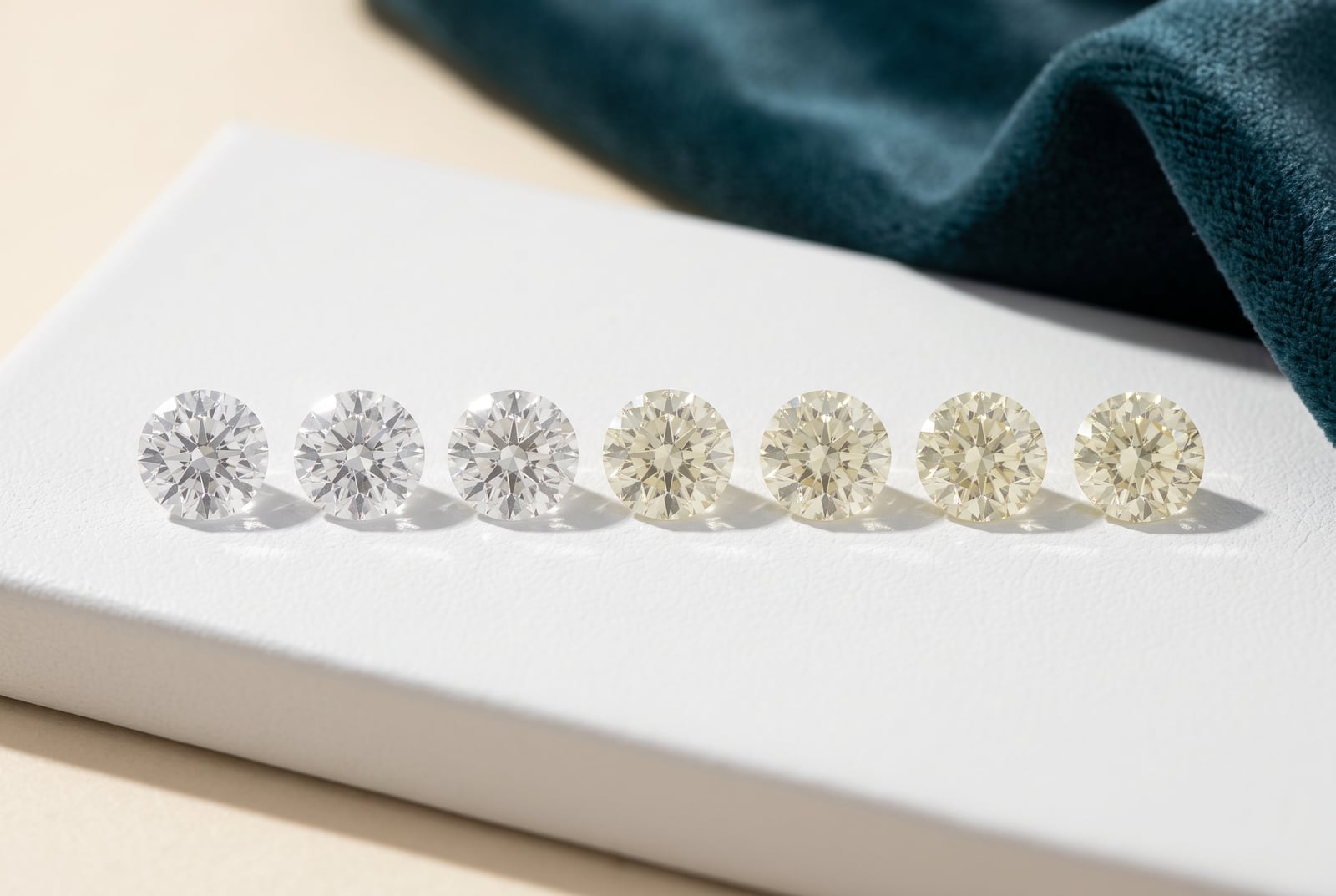
Short answer: A diamond’s colour is graded on a letter scale from D to Z, and its clarity on eleven grades from FL to I3. D is the most colourless and FL the most flawless stone. For most rings, G–H colour and VS clarity is a balanced choice that looks colourless and clean to the eye.
The diamond colour scale: D to Z
In a white diamond, “colour” actually measures the absence of colour. The more colourless the stone, the rarer and more valuable it is. The scale starts at the letter D and moves down the alphabet as the yellowish tint in the stone increases.
| Letter | Class | How it looks to the eye |
|---|---|---|
| D – E – F | Colourless | Icy white. Experts see the difference only side by side. |
| G – H – I – J | Near colourless | Looks white when worn. The slight tint shows only next to a D–F stone. |
| K – L – M | Faint tint | A slight yellowish tint can be seen with the naked eye. |
| N – Z | Visible tint | A yellow or brown tint is clearly visible. |
Which colour is enough?
- In a white gold setting: G–H colour looks completely white to most eyes. You only see the D–F difference side by side.
- In a yellow or rose gold setting: The warm colour of the gold reflects into the stone, so stones one or two grades lower also look white.
- In large stones: Colour is easier to notice as the stone gets bigger. At 2 carats and above, it is worth going one grade higher.
Diamond clarity: FL to I3
Almost every diamond contains tiny marks left inside it as it formed. Clarity describes the number, size and position of these marks. It is graded under ten times magnification.
| Grade | Meaning | To the naked eye |
|---|---|---|
| FL, IF | Flawless, internally flawless | Nothing visible |
| VVS1, VVS2 | Very, very small marks | Nothing visible |
| VS1, VS2 | Very small marks | Not visible |
| SI1, SI2 | Small marks | Not visible in most stones; depends on the stone |
| I1, I2, I3 | Obvious marks | Visible; can affect brilliance |
What does “eye clean” mean?
If a stone’s marks cannot be seen without magnification at a normal viewing distance, the stone is called “eye clean”. VS stones and above are almost always eye clean. So the difference between VVS and VS cannot be seen when the ring is worn; it shows only under a loupe and in the price.
There is one exception: in step cuts such as the emerald cut, the inside of the stone looks open, like a window. Marks are easier to spot in these cuts, so it is worth going one clarity grade higher.
Which matters more, colour or clarity?
Both affect how the stone looks, but something comes before either of them: the cut. What makes a diamond sparkle is the quality of its cut. A well-cut G colour, VS clarity stone looks livelier than a badly cut D colour, VVS stone.
For those who want to balance their budget, the usual order is: first a good cut, then eye-clean clarity (VS), then a colour that looks white when worn (G–H), and carat last. We explain carat in what is a carat.
Colour and clarity in lab-grown diamonds: Lab-grown diamonds are graded on the same scales. In these stones, high colour and clarity grades are far more attainable than in natural diamonds.
Frequently asked questions
The top of the scale is D colour, which is completely colourless. But when worn, G and H colour stones also look white. D–F stones are for those who want to see the difference side by side and are looking for the highest grade. No. Both look clean to the naked eye. The difference can only be seen under magnification. Yes. F is in the colourless class and VS is eye clean. In a ring it is a top-level combination that looks both white and clean. You can, but choose carefully. Some SI stones are eye clean, while in others a mark can be seen with the naked eye. With SI stones, look at the plot on the report, which shows where the marks are and how big they are.What is the best diamond colour?
Can you see the difference between VVS and VS clarity?
Is an F colour, VS clarity diamond good?
Should you buy an SI clarity diamond?
Blog
Keep reading
Diamond Basics
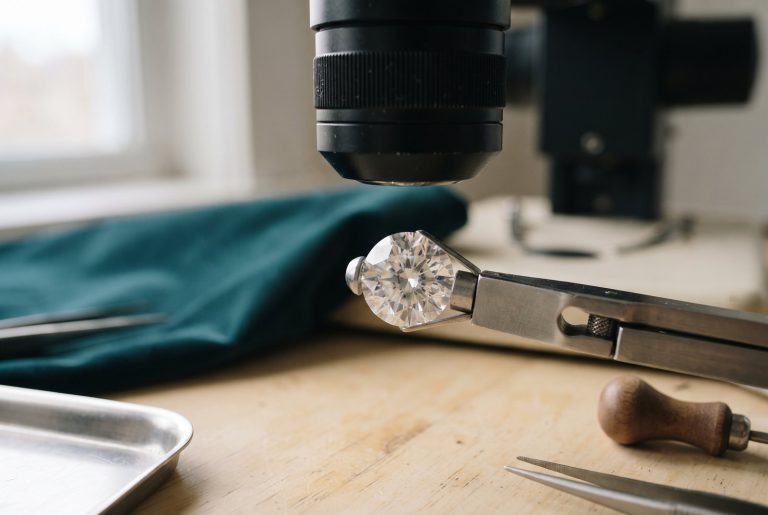
Diamond Clarity Scale: From FL to I3
Clarity is how visible the tiny marks inside a diamond are. We explain the FL, IF, VVS, VS, SI and I grades with a…
3 min read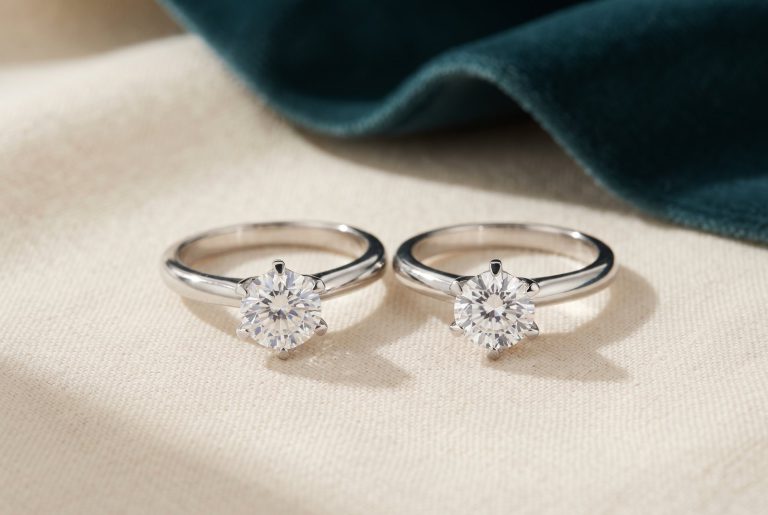
Diamond Basics
Cubic Zirconia vs Diamond: What Is the Difference?
Cubic zirconia looks like a diamond at first glance, but it is a very different stone. We explain the differences in hardness, light, weight…
3 min read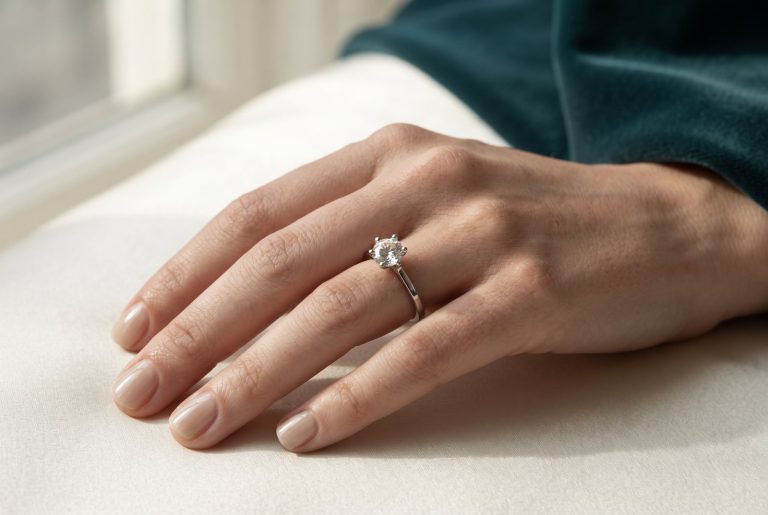
Diamond Basics
Diamond Sparkle: What Are Brilliance, Fire and Scintillation?
A diamond's sparkle comes from three separate light effects: brilliance, fire and scintillation. We explain what decides them and what people really mean by…
3 min read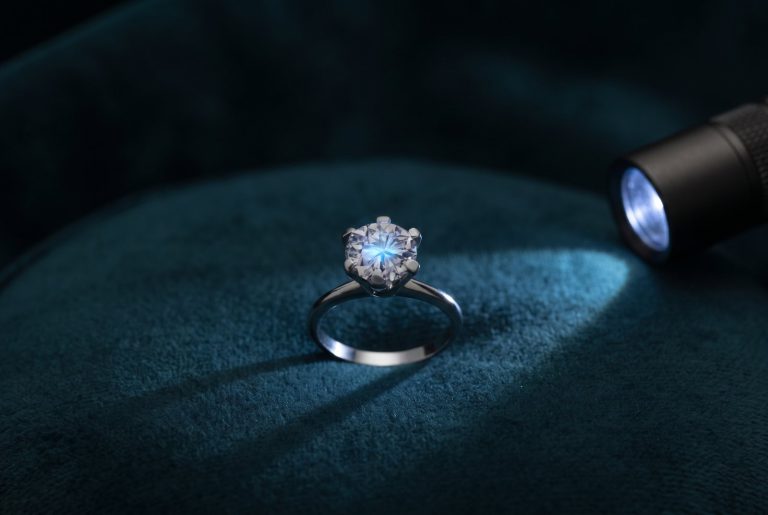
Diamond Basics
What Is Diamond Fluorescence? Good or Bad?
Fluorescence is the blue glow some diamonds give off under ultraviolet light. We explain how it appears on the report, whether it affects how…
3 min read