Jewellery Guide
How to Choose a Diamond Necklace: Solitaire and Tennis Necklaces
A solitaire necklace or a tennis necklace? Chain length, carat, gold colour and setting type: everything to check when choosing a diamond necklace.
4 min readUpdated: October 7, 2026
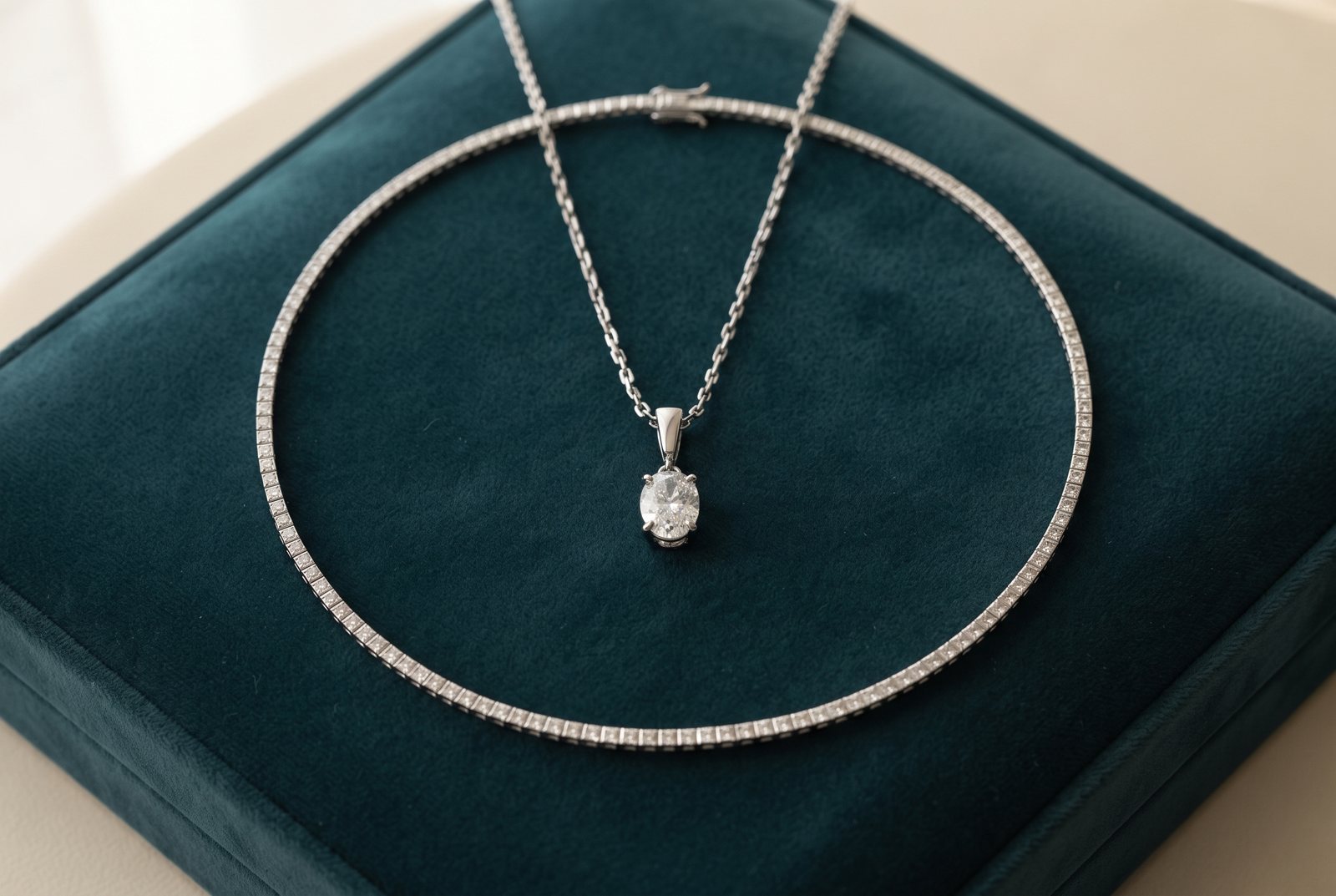
Short answer: When choosing a diamond necklace, first decide on the type: a solitaire necklace where a single stone stands out, or a tennis necklace that circles the neck without a break? Then choose the chain length, the stone’s carat and the gold colour. For everyday wear, a solitaire necklace on a 40–45 cm chain is the easiest choice; for special occasions and impact, a tennis necklace.
Types of diamond necklace
Solitaire necklace
A single diamond on a fine chain. It suits every outfit, is easy to put on and take off, and never goes out of fashion. The stone can be round, oval or pear; oval and pear stones look bigger at the same carat. Designs: solitaire necklace, pear necklace.
Tennis necklace (riviera)
A necklace in which diamonds of equal size circle the neck in an unbroken row. It is the most striking piece for weddings, engagements and evening events; slim versions are worn every day too. It makes a set with a tennis bracelet in the same style. Design: tennis necklace.
Halo necklace
A necklace in which tiny diamonds surround the centre stone, making it look bigger and more brilliant. For a big effect with a small centre stone.
Baguette necklace
A clean, modern necklace made with rectangular stones. About the baguette cut.
Y necklaces and drop designs
In the “Y” form, the tennis line drops down at the front; with low necklines it makes the neck look longer.
All the necklace designs made in our workshop are in the gallery; category: necklaces.
How to choose the chain length
| Length | Where it sits | For whom, when |
|---|---|---|
| 40 cm | Just below the neck, above the collarbone | Slim neck, closed collar, everyday |
| 42–45 cm | At the collarbone | The most common and safest length |
| 50 cm | A little below the collarbone | Low and V necklines, a longer neck |
If you are unsure, choose 45 cm; many chains have an extra ring so they can be worn between 42 and 45. If the necklace is a gift, measuring a necklace they already wear is the surest way.
The stone’s carat and how it looks on a necklace
A stone on a necklace is seen from further away than on a ring, so the same carat looks a little smaller. For a solitaire necklace, 0.30–0.50 carat is noticeable and balanced for everyday wear; 1 carat and above stands out on special occasions. On a tennis necklace, carat is the total of all the stones; a 2–3 carat tennis necklace looks slim and elegant, and 5 carats and above looks glamorous. How carat relates to size: what is a carat.
Gold colour and skin tone
White gold makes the stone look whiter and bigger and suits cool skin tones; yellow gold glows on warm skin tones; rose gold gives a soft light to every skin tone. Matching the colour of the other pieces you wear (ring, earrings, watch) gives a unified look.
Setting type and chain strength
- Four-prong setting: Shows the most of the stone and lets in the most light. The most classic choice.
- Bezel setting: The stone is wrapped in a metal rim; nothing catches and it is very durable; the stone looks a little smaller.
- Chain: It should be thick enough for the weight of the stone; a spring ring or lobster clasp is secure. When buying, make sure the clasp closes firmly.
If it will be worn every day: a simple solitaire necklace, a strong chain and a bezel or low-prong setting. Take it off for the shower, sport and sleep, and put on perfume before the necklace. Have the prongs and clasp checked once a year.
What sets the price of a diamond necklace?
The carat of the stone (or the total of the stones), the cut, colour and clarity grades, the setting type, the gold weight of the chain and the workmanship. On a solitaire necklace the stone sets most of the price; on a tennis necklace the number of stones and how well they match come to the fore. A lab-grown diamond means a bigger or cleaner stone for the same budget; we explain what sets the price. Send us the model number of the design you like and we will give you the current price.
Frequently asked questions
It is the most often gifted diamond piece, because unlike a ring it needs no size. A 45 cm chain fits most people; measuring a necklace they already wear is even safer. Round is the most classic and most brilliant; oval and pear look bigger at the same carat and lengthen the neck. The pear (teardrop) stone is especially loved on necklaces. Slim tennis necklaces (2–3 carats in total) are worn every day; designs with large stones are for special occasions. A strong clasp is important. No. A lab-grown diamond has the same chemistry, hardness and light as a natural diamond and cannot be told apart by eye. The difference is written only on the certificate and shows in the price. What is a lab-grown diamond?Is a diamond necklace a good gift?
Which stone shape is best for a solitaire necklace?
Can a tennis necklace be worn every day?
Can you tell a lab-grown diamond on a necklace?
Blog
Keep reading
Jewellery Guide
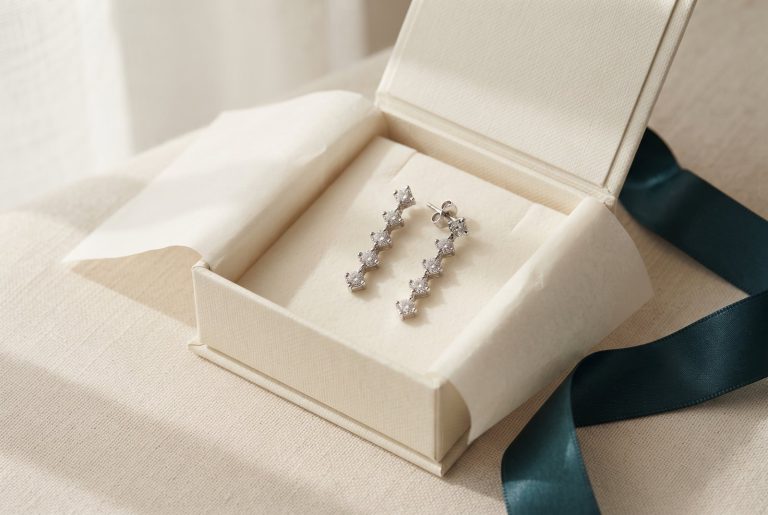
Wedding Anniversary Gifts: Diamond Ideas
There are lovely ways to give a diamond on an anniversary: a five-stone ring, an eternity ring, solitaire studs, a tennis bracelet. We share…
3 min read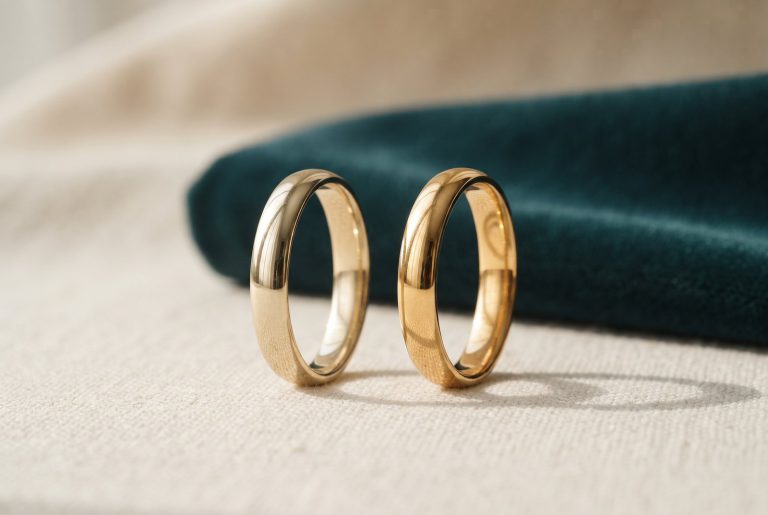
Jewellery Guide
14 Karat or 18 Karat? Choosing the Gold for a Diamond Ring
14 karat is harder and more durable; 18 karat has a higher gold content and a warmer tone. We explain the difference between the…
3 min read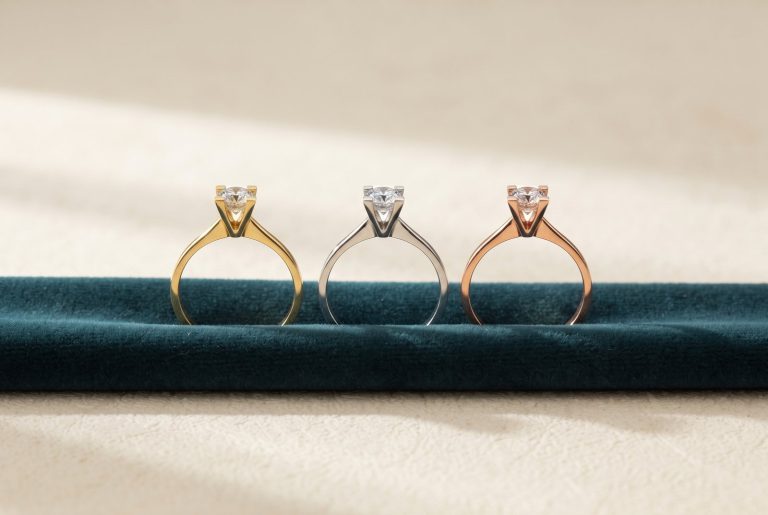
Jewellery Guide
White, Yellow or Rose Gold?
Gold colour changes how a diamond looks and the character of the ring. We compared the three gold colours by stone, skin tone and…
3 min read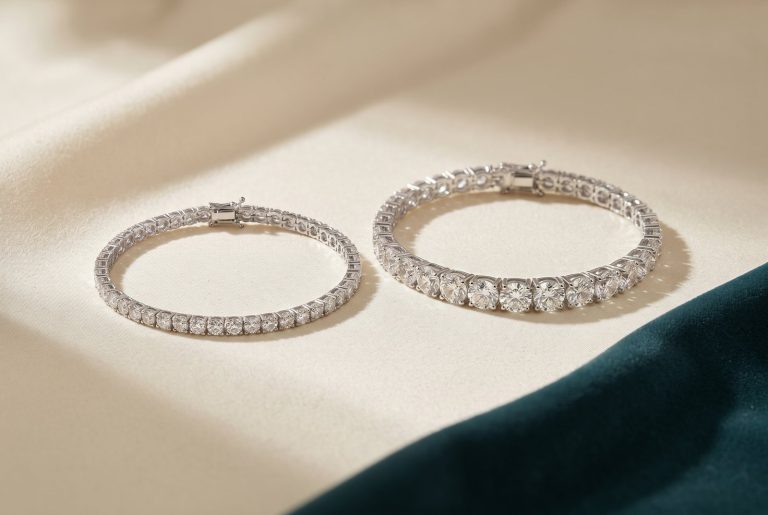
Jewellery Guide
Diamond Bracelet Styles: From Tennis Bracelets to Bangles
Tennis, solitaire chain, station and bangle: we explain the diamond bracelet styles, how they sit on the wrist and what to check when choosing.
3 min read