Jewellery Guide
What Is a Tennis Bracelet? How to Choose and Wear One
What is a tennis bracelet and what styles are there? Total carat weight, clasp security, length and stone matching: everything to check when choosing one.
4 min readUpdated: October 7, 2026
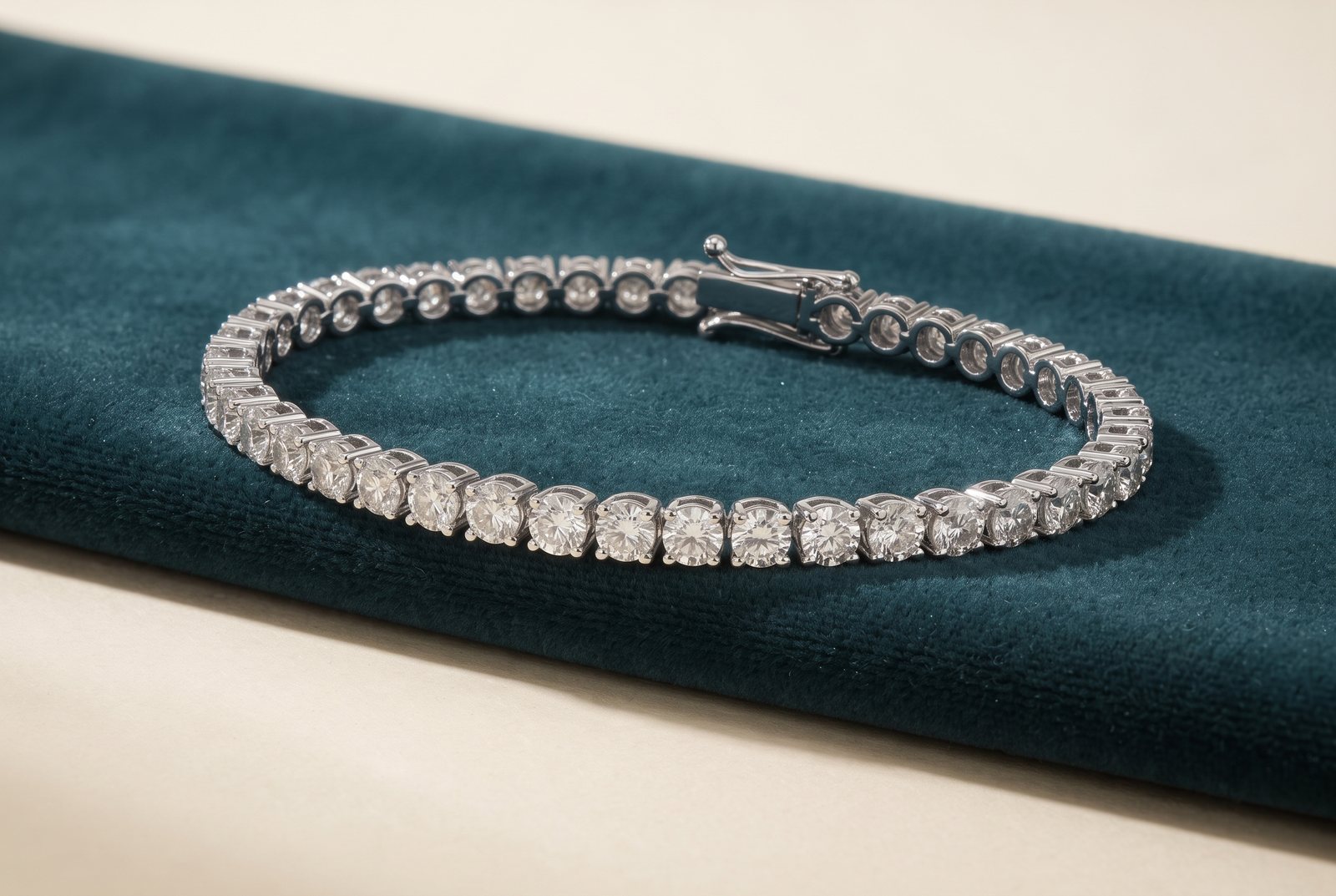
Short answer: A tennis bracelet is a bracelet in which diamonds of the same size are set in an unbroken row on a flexible chain. In Turkish it is called “su yolu”, the waterway, because the light seems to “flow like water” as the wrist moves. When choosing one, look at the total carat of the stones, the security of the clasp and your wrist size.
What is a tennis bracelet?
Each stone sits in its own small setting, and the settings are linked by tiny hinges. So the bracelet does not sit like a rigid ring but like a soft strip that wraps the wrist. The stones are usually round; tennis bracelets with baguette, oval or marquise stones are also made.
The name “tennis bracelet” became popular in 1987, when the famous tennis player Chris Evert dropped her diamond bracelet during a match and play stopped until it was found. Since then it has been the most classic diamond piece for everyday wear.
Tennis bracelet designs
- Classic single row: Round stones of equal size, in four-prong or channel settings. The most popular form: tennis bracelet.
- Slim (small-stone) tennis bracelet: Small stones, light and delicate; for everyday wear and stacking.
- Bezel-set tennis bracelet: Each stone in a round metal frame; very durable, with a modern look.
- Baguette tennis bracelet: Rectangular stones side by side; a clean, shining strip. About the baguette cut.
- Station tennis bracelet: Fine lengths of chain between the stones; lighter and more affordable.
All the tennis designs made in our workshop are in the gallery; it can be paired with a tennis necklace in the same style to make a set.
What to check when choosing a tennis bracelet
Total carat
In a tennis bracelet, carat means the total of all the stones, not a single stone. A 1-carat tennis bracelet has dozens of tiny stones; in a 3-carat bracelet the stones are visibly bigger. You can compare how different total carats look on the wrist with the photos in the gallery. What is a carat.
Clasp and safety catch
The most important part of a tennis bracelet is its clasp. A box clasp with a figure-eight safety catch beside it is the most secure arrangement. When buying, make sure the clasp closes firmly and the safety catch works.
Length
Measure around your wrist with a tape measure or a piece of string and add 1–1.5 cm. The bracelet should neither squeeze the wrist nor slide down over the hand; it should sit just below the wrist bone with a little movement. When we make it for you, we adjust the length to your wrist.
How well the stones match
A tennis bracelet can have more than 30 stones, and all of them should match in size, colour and clarity. This is where lab-grown diamonds stand out: the same budget buys cleaner, whiter stones that match each other well.
Flexibility
A well-made tennis bracelet wraps the wrist without kinking or twisting, and the hinges move freely. When you hold it in your hand, it should flow like water.
Everyday wear tip: A tennis bracelet can be worn every day, but take it off for sport, sleep and heavy work, and check the clasp regularly. Bring it to the workshop once a year and we will check the prongs and the clasp.
What sets the price of a tennis bracelet?
The total carat and number of stones, their colour and clarity grades, the type of setting, the gold weight and the workmanship. Two tennis bracelets of the same length can be priced very differently depending on stone size and quality. A tennis bracelet made with lab-grown diamonds is noticeably more affordable than one with natural stones; we explain what sets the price. Send us the model number of the design you like and we will give you the current price.
Frequently asked questions
There is no rule; most people wear it on the wrist without a watch. If it will share a wrist with a watch, bezel-set or slim tennis designs will not scratch the watch. Yes; it is the diamond piece most often worn every day. Choose a design with a strong clasp and safety catch, and take it off for sport and sleep. Your wrist measurement plus 1–1.5 cm. The bracelet should sit just below the wrist bone with a little movement. When we make it for you, we adjust the length to your wrist. Yes, very often. Because there are many stones, lab-grown diamonds let you choose cleaner, well-matched stones for the same budget. Every stone is a real diamond.Which wrist do you wear a tennis bracelet on?
Is a tennis bracelet suitable for everyday wear?
How long should a tennis bracelet be?
Are lab-grown diamonds used in tennis bracelets?
Blog
Keep reading
Jewellery Guide
Wedding Anniversary Gifts: Diamond Ideas
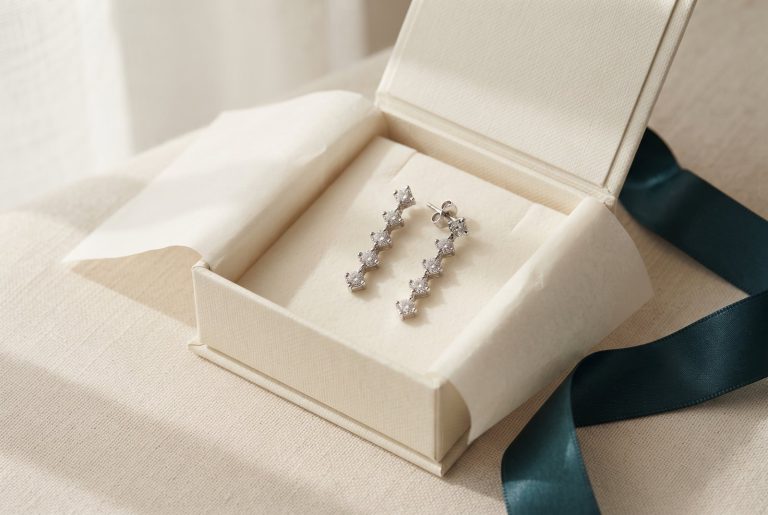
There are lovely ways to give a diamond on an anniversary: a five-stone ring, an eternity ring, solitaire studs, a tennis bracelet. We share…
3 min read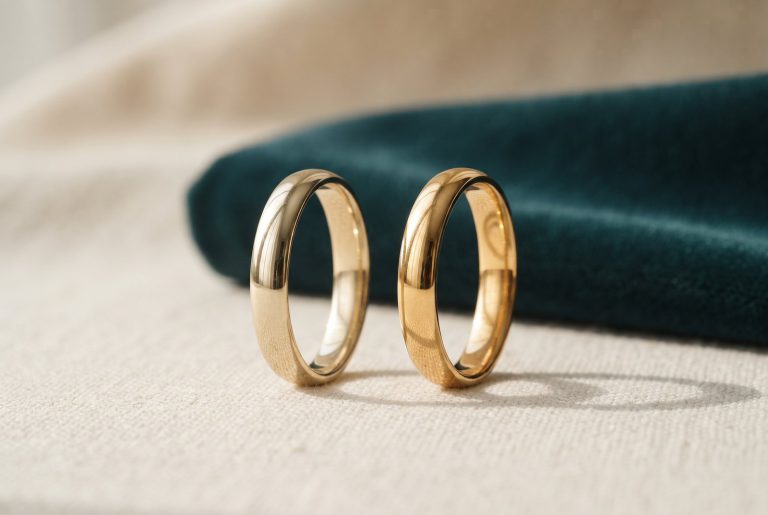
Jewellery Guide
14 Karat or 18 Karat? Choosing the Gold for a Diamond Ring
14 karat is harder and more durable; 18 karat has a higher gold content and a warmer tone. We explain the difference between the…
3 min read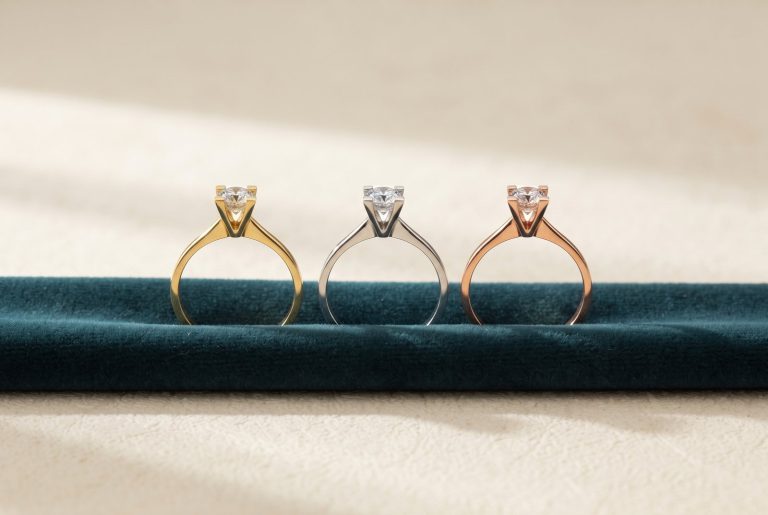
Jewellery Guide
White, Yellow or Rose Gold?
Gold colour changes how a diamond looks and the character of the ring. We compared the three gold colours by stone, skin tone and…
3 min read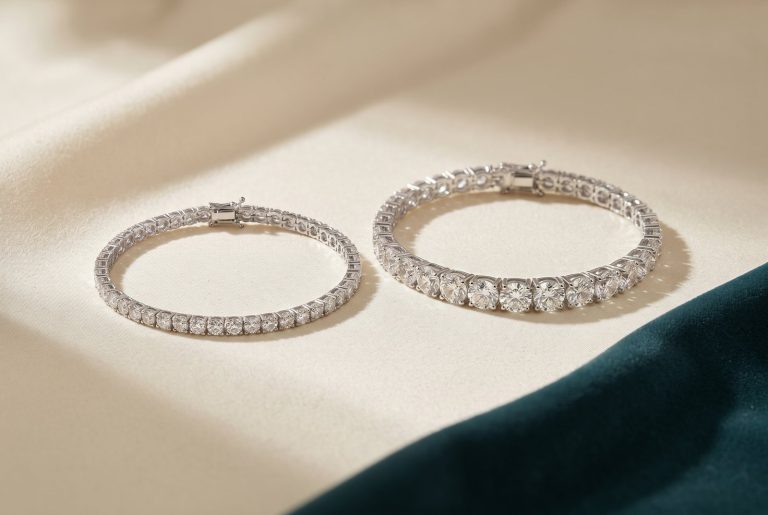
Jewellery Guide
Diamond Bracelet Styles: From Tennis Bracelets to Bangles
Tennis, solitaire chain, station and bangle: we explain the diamond bracelet styles, how they sit on the wrist and what to check when choosing.
3 min read